Category: Blog

Your blog category

  • Heat Pump vs Furnace for Ottawa Homes: What’s the Right Choice?

    Heat Pump vs Furnace for Ottawa Homes: What’s the Right Choice?

    Key Takeaways:

    • When comparing a heat pump vs a furnace for Ottawa homes, your home size, insulation, and fuel access matter most.
    • The best heating system for Ottawa winters depends on temperature performance and long-term operating cost.
    • A dual fuel vs all-electric heat pump in Ottawa can lower energy bills in extreme cold.

    A professional quotation for the installation of a heat pump should always be obtained in Ottawa before making a decision.

    Winters in Ottawa are severe, long, and draining. Temperatures often fall below -20 °C, and your heating system runs continuously for months. You may be wondering whether a heat pump or a furnace is a better investment if your unit is old or not functioning properly.

    Several homeowners in Ottawa are debating between heat pump and high-efficiency furnace models prior to the upgrade. Both systems are effective at heating your home, but they do so differently. They also vary in terms of installation and operating costs, as well as performance in extreme cold.

    This guide explains everything clearly and simply. We will compare performance, cost, energy efficiency, and long-term value so you can make the right choice when buying a home in Ottawa.

    Should I Get a Heat Pump or Furnace in Ottawa?

    A furnace uses natural gas combustion to produce heat. The heat is transferred through your ductwork and into your house. An efficient furnace installed by Ottawa homeowners has a high efficiency rating of 95% or higher. This implies that a large portion of the fuel is converted into usable heat.

    A heat pump operates differently. It does not burn fuel. Rather, it brings the outside air heat into your house. There is still some heat energy in the outside air even in winter. The Ottawa model of cold-climate heat pump is designed to operate at freezing temperatures.

    Choosing between the two depends on:

    • Whether your home has natural gas service
    • Your budget
    • Your insulation quality
    • Your long-term energy goals

    Both systems can perform well when properly sized and professionally installed.

    What is the Best Heating System for Ottawa winters?

    best-heating-system-for-Ottawa-winters

    The best heating system for Ottawa winters must reliably handle extreme cold. Ottawa’s climate includes long periods below freezing and sudden cold snaps.

    Cold Climate Heat Pump Performance in Ottawa

    Contemporary cold-climate models are much more powerful than older heat pumps. Even when it falls below -20 C, a cold-climate heat pump in Ottawa can still function. Nevertheless, the efficiency declines with low outdoor temperatures.

    Some systems rely on electric backup heating when temperatures drop extremely low. These periods may increase operating costs due to higher electricity prices.

    High-Efficiency Furnace Performance in Ottawa

    A highly efficient furnace Ottawa residents would install is one that performs reliably even during deep winter. Furnaces generate warmer supply air than heat pumps and can raise indoor temperatures quickly.

    Furnaces tend to be better and more effective in extreme cold conditions.

    Dual Fuel vs. All-Electric Heat Pump in Ottawa: Which Is Better?

    Many homeowners compare dual-fuel vs all-electric heat pump systems in Ottawa when upgrading.

    What Is a Dual Fuel System?

    A dual-fuel system combines a gas furnace and a heat pump. The heat pump operates in warm weather. The system automatically turns on the furnace when the temperature becomes too low to give its maximum performance.

    This setup provides:

    • High efficiency in fall and spring
    • Strong furnace heat in extreme winter
    • Balanced energy use

    In Ottawa’s climate, dual-fuel offers flexibility and reliability.

    What is an all-electric heat pump?

    An all-electric system relies only on electricity. It may include electric backup heating for very cold days. This option works well for homes without gas service.

    When comparing a dual-fuel heat pump to an all-electric heat pump in Ottawa, homeowners often consider energy goals and utility rates before deciding.

    Understanding Heat Pump vs Furnace Cost Ottawa Homeowners Pay

    heat-pump-vs-furnace-cost-Ottawa

    Upfront cost is one of the biggest decision factors. The heat pump vs furnace cost Ottawa homeowners face depends on equipment type and installation complexity.

    Furnace Installation Costs

    If your home already has ductwork and a gas line, installing a high-efficiency furnace is often straightforward. This usually makes the initial cost lower compared to a heat pump system.

    Heat Pump Installation Ottawa Quote Factors

    A heat pump installation quote in Ottawa depends on several variables:

    • Home size
    • Insulation levels
    • Existing ductwork
    • Electrical panel capacity
    • Outdoor unit placement

    The heat pump needs an outdoor and an indoor unit. Electrical upgrades may be required in some homes, and this can be more expensive.

    Although in the case of the heat pump vs furnace cost in Ottawa comparison, the upfront cost of the heat pumps is higher than that of the furnace, other elements, such as rebates and energy savings, can compensate for part of the investment in the long run.

    Comparing Heat Pump vs Furnace Operating Cost for Ontario Residents

    heat-pump-installation-quote-in-Ottawa

    In addition to installation, there is the issue of operating costs. The operating costs of a heat pump vs a furnace for Ontario homeowners hinge on electricity costs, natural gas prices, and weather conditions.

    Energy Source Differences

    A heat pump is an electricity-powered device. Natural gas is normally used in furnaces. When electricity prices rise, the cost of operating a heat pump increases as well. When gas prices rise, the cost of a furnace increases.

    Efficiency and Climate Impact

    Heat pumps work very efficiently when the temperatures are mild. They can transfer more heat energy than the electricity they use. Nevertheless, efficiency decreases at extreme temperatures.

    Furnaces have consistent efficiency regardless of outdoor temperature. This is why comparing heat pump and furnace operating costs in Ontario is a thoughtful decision for many homeowners before choosing a system.

    Heat Pump vs Furnace Decision Checklist

    Use this heat pump vs furnace decision checklist to guide your choice.

    1. Do You Have Natural Gas Access?

    Yes, then you may wish to consider a furnace, a heat pump or a dual fuel.

    If not, the primary alternative can be an all-electric heat pump.

    2. What Is Your Budget?

    A furnace may be less expensive to buy initially. The heat pumps will have a higher initial investment but may offer long-term efficiency benefits.

    3. How Well Insulated Is Your Home?

    Well-insulated houses enable heat pumps to work more effectively. Poorly insulated older homes might be more dependent on furnace heat in winter.

    4. What Are Your Long-Term Goals?

    Are you concerned about reducing gas use? Reducing emissions? Increasing resale value? The objectives are important in heat pump vs high-efficiency furnace Ottawa systems.

    Using this checklist can simplify your decision and help you choose the best system for your needs.

    Maintenance and System Lifespan

    Both systems require annual maintenance to operate effectively. Furnaces require filter changes and burner inspections. The heat pumps need inspection of the outdoor unit and coil cleaning. Most systems have a lifespan of 12 to 20 years with proper care.

    Regular maintenance enhances performance, reduces operating costs, and extends the system’s life.

    When to Request a Heat Pump Installation Quote in Ottawa

    heat-pump-vs-furnace-decision-checklist

    If your current heating system is over 15 years old, needs frequent repairs, or struggles to keep your home warm, it may be time to explore options.

    Requesting a heat pump installation quote in Ottawa gives you:

    • Clear pricing
    • Equipment recommendations
    • Rebate information
    • Energy savings estimates

    A professional evaluation ensures your system is properly sized for Ottawa’s climate and your home’s layout.

    Final Thoughts: Choosing the Best Heating System for Ottawa

    The decision between a heat pump and a furnace is not only a matter of cost. Convenience, dependability, and savings matter in the long term. In the heat pump vs high-efficiency furnace debate, winter performance, operating costs, and your home’s setup should be taken into consideration.

    The most appropriate heating system for Ottawa winters is one that is properly sized and professionally installed for your particular property.

    If you are not sure, the next step is to talk to a reputable HVAC professional. Our team at Advanced HVAC can review your home, discuss your options with you, and provide an in-depth quote for a heat pump installation in Ottawa or a furnace estimate.

    Contact us today to schedule your consultation and make the right heating choice for your home.

    Frequently Asked Questions

    Do heat pumps work during Ottawa winters?

    Yes. A well-sized cold-climate heat pump in Ottawa can operate in freezing temperatures. Nevertheless, efficiency declines in extreme cold, which is why some homeowners choose dual-fuel systems for added reliability.

    Are high-efficiency furnaces in Ottawa more reliable for homeowners?

    A high-efficiency furnace system in Ottawa performs excellently in deep winter. It generates warmer air and keeps the heating constant even when the temperature drops drastically.

    What is the average heat pump vs furnace cost Ottawa residents should expect?

    The cost of a heat pump vs a furnace Ottawa homeowners pay depends on the system size and installation requirements. The heat pumps can be quite expensive to install, but they can be rebated and save energy in the long term.

    Which system has lower heat pump vs furnace operating cost in Ontario?

    The comparison of heat pump and furnace operating costs in Ontario is based on utility rates and winter severity. Heat pumps perform well in moderate temperatures, whereas furnaces are more predictable in extreme conditions over the long term.

    How do I choose between dual-fuel and all-electric heat pump systems in Ottawa?

    When comparing dual-fuel vs all-electric heat pump systems in Ottawa, consider the availability of gas and the average temperature in your home’s location. Dual-fuel is flexible, and all-electric is suitable for homes without a gas supply.

  • Repair vs Replace Air Conditioner: How to Decide?

    Repair vs Replace Air Conditioner: How to Decide?

    Key Takeaways:

    Here is a quick overview of what matters most before you make the call.

    • A repair often makes sense when the system is newer, the issue is small, and the unit has been dependable so far.
    • Replacement usually becomes the better path when breakdowns keep happening, or cooling performance keeps slipping.
    • The real decision is not only about today’s bill, but also about future comfort, energy use, and reliability.
    • Looking at the full repair vs replace air conditioner question can save you from spending money twice.
    • A professional opinion can help you avoid guessing, especially when you need air conditioner repair in Ottawa you can trust.

    Few things feel more frustrating than an air conditioner that stops working when you need it most. Perhaps the house is warm when the thermostat indicates it is not. Perhaps the unit has begun making weird sounds, cycling excessively, or charging you more energy than you thought.

    That is where the decision to repair or replace the air conditioner becomes more important than it first seems. A quick repair can absolutely be the right move in some homes.

    What Should You Ask Yourself Before Choosing AC Repair?

    air-conditioner-repair-service-in-ottawa

    Is Your Air Conditioner Still Relatively New?

    Age changes the conversation right away. If your air conditioner is still on the newer side and has not given you much trouble before, a repair may be the sensible move. When properly maintained, most systems can provide years of good service, and therefore replacing one prematurely may not be the best deal.

    A new unit with one defective component is quite different from an old system with an increasing list of problems. When the equipment has not yet reached the end of its useful life, the repair vs replace air conditioner path can often lead to the conclusion that it should be repaired before rushing to replace it.

    Is the Problem Minor and Isolated?

    Not all breakdowns imply that the entire system is finished. In some cases, it is just a capacitor, contactor, thermostat, wiring connection, or another component that can be replaced without making the job a big project. When the core equipment is still healthy, a focused repair can restore your comfort without a huge bill.

    This is where it helps to take things slowly and avoid panic decisions. When the problem is localized, and the rest of the unit is functioning as intended, the most intelligent solution is to repair or replace air conditioner components rather than replace the entire system.

    Has Your System Been Reliable So Far?

    A reliable track record is important. When your AC has been silently working for years, and this is the first actual issue, it speaks volumes. A one-time problem does not necessarily imply that the unit is on its deathbed. In most households, it is more prudent to repair the existing issue and keep the system stable.

    This is particularly so when comfort is restored soon after service. A unit that cools efficiently, runs smoothly, and hasn’t been emptying your wallet might be worth another season or two before you invest heavily.

    Is the Repair Cost Still Reasonable?

    Homeowners are typically the most concerned with cost, and rightfully so. When the repair is not too difficult and much less expensive than a new installation, it may be reasonable to continue using the existing unit. The key is to look beyond the invoice you are currently reviewing. A fair repair on a reliable system is one thing. Repeated spending on a unit that keeps disappointing you is something else entirely.

    When you compare the cost of fixing the issue with the remaining useful life of the system, the repair-or-replace air conditioner decision becomes more grounded and less emotional.

    What Should You Ask Yourself Before Choosing an AC Replacement?

    air-conditioner-replacement-in-ottawa

    Are Breakdowns Becoming More Frequent?

    At some point, service calls cease to be solutions and become a pattern. When your air conditioner is failing every season, or even more than once in the same summer, the system is no longer reliable enough to be worth repairing.

    That is often the moment homeowners begin to seriously consider replacing their air conditioner in Ottawa rather than another temporary fix. Constant breakdowns not only cost money. They also cause stress, disrupt your home, and make you wonder when the next problem will surface.

    Is Cooling Performance Getting Worse?

    A struggling AC often shows signs before it stops completely. Rooms may cool unevenly. Airflow may feel weak. Even when the system operates for extended periods, the house may take longer to reach the desired temperature. These problems usually point to more than a small, isolated issue.

    If your comfort level keeps dropping despite previous service, it may be time to replace or repair the air conditioner with a long-term mindset. A more modern system may frequently deliver the consistent, smooth cooling that older systems struggle to provide.

    Are Your Energy Bills Getting Higher?

    An older air conditioner can keep operating and quietly get more expensive every month. Systems tend to become inefficient as they grow old. They operate more, run more, and consume more power to deliver less comfort. That increases your summer bills without the relief you anticipate.

    Air conditioner replacement in Ottawa may be a cheaper option in the long run in that case. A new unit can consume less energy, cool more efficiently, and offset the increased initial investment by performing better.

    Are Major Components Starting to Fail?

    Some repairs are simple. Others are not. The numbers may fluctuate rapidly when significant components, such as the compressor or evaporator coil, start to malfunction. These are the repairs that usually cause homeowners to stop, and with reason. It may be difficult to justify putting serious money into a system that is already aging.

    When the big parts are getting old, and the unit has already had its fair share of problems, the decision to repair or replace air conditioner equipment tends to shift the balance far more towards replacement.

    What Key Factors Can Affect the Decision?

     When your air conditioner starts struggling during summer, the pressure to make the right decision feels real. During a major August 2025 heat event, roughly 51 daily heat records were broken across Canada in a single day, which shows how important dependable cooling can be when temperatures surge. Here are the main things that can shape the final call:

    • The age of the current unit
    • How often has the system needed repairs
    • Whether the issue is minor or involves a major component
    • Current cooling performance throughout the home
    • Changes in monthly energy costs
    • The short-term repair bill compared with the long-term replacement value
    • Warranty coverage on a new installation
    • Your need for dependable comfort during Ottawa’s warmer months
    • The quality of the assessment you receive from a technician

    When homeowners honestly consider these points, the repair vs. replace air conditioner question becomes easier to answer without second-guessing every option.

    When a Professional Inspection Can Save You Money

    repair-or-replace-air-conditioner

    Guessing is expensive. It is easy to assume a unit only needs one more repair, only to discover that the deeper problem was never properly addressed.

    • A technician can check the overall condition of the system.
    • Hidden issues can be found before they turn into bigger expenses.
    • You can learn how useful the unit may still be.
    • Performance problems can be traced back to their real cause.
    • You get a clearer comparison between repair cost and replacement value.
    • It helps you avoid putting money into a system that is already near the end of its lifespan.

    This is especially helpful when comparing air conditioner repair service in Ottawa with full air conditioner replacement in Ottawa. High-tech HVAC can accurately determine the state of your system; the suggestion is the same as the unit before you, not a sales pitch.

    Conclusion

    The decision to replace or repair an air conditioner depends on age, repair history, efficiency, and performance. A minor repair can be justified on a newer unit, but an older system with recurring problems can often be better served by replacement in the long term.

    If you need a candid opinion on air conditioner repair or replacement in Ottawa, contact us for a professional inspection and clear-cut advice tailored to your home.

    FAQs

    Should I Repair or Replace My Air Conditioner?

    If the unit is newer, the repair is less serious, and the system has been dependable, repair may be the more appropriate choice. If it is older and the issues continue to recur, replacement may be more cost-effective in the long run.

    When to Replace an Air Conditioner?

    Replacement is often the wiser choice when breakdowns are common, cooling performance continues to decline, major components are failing, and repair costs are increasing.

    Is It Worth Repairing an Old Air Conditioner?

    Occasionally, though not always. If the repair is minor, it may be worthwhile. When the system is old, inefficient, and requires constant maintenance, it might not be the most appropriate decision to spend more money on it.

    What Factors Help You Decide Between AC Repair and Replacement?

    The biggest ones are age, repair history, current efficiency, the cost of the problem, and the reliability of the system in cooling your home.

  • Pet Owners: Tips for HVAC Maintenance

    Pet Owners: Tips for HVAC Maintenance

    Hair of the dog is something we all dread – pet owner or not – whether you’re talking about one too many the night before, or that shedding hair you have to endure from your furry loved one. The hair from your dog or cat can really impact the ability of your HVAC system to run properly and efficiently. Plus, all of that dander and hair can hinder the quality of your indoor air, creating a breeding ground for allergies and irritation.

    If you own a pet, performing regular HVAC maintenance is imperative to prevent pet dander from accumulating inside of your air conditioning, heating, and ventilation system. Learn how to ensure your air distribution system is working optimally by following these tips for HVAC maintenance.

    Minimize Shedding As Best You Can

    For pet owners, there’s no doubt that your furry loved ones fill your home with unconditional love and affection. But, unfortunately, they also tend to fill our homes with so much hair and dander. One of the more effective ways to really avoid a build up of hair in your HVAC system is by minimizing shedding as best you can. That means keeping your pet clean and brushed on a regular basis. And when you do brush them, make sure you do it outside.

    Vacuum Regularly

    Of course, vacuuming is essential when you’ve got pets. Staying on top of regular, frequent vacuuming will help reduce the amount of hair that lingers along the floor and throughout your home that can easily get carried into the ventilation system. Purchasing an easy-to-use vacuum that you can easily whip out in a moment is helpful for performing this on a regular basis as opposed to a big, clunky one that takes much more effort and energy to use.

    Change the Air Filter Frequently in the HVAC System

    For pet owners, it’s necessary to be much more prudent with your air filter. It’s recommended to check your air filter at least once a month to monitor the condition of it and whether it needs to be cleaned or replaced. If you leave your filter without checking it for several months, all of that pet dander could force it to work much harder to maintain a comfortable atmosphere, which equates to higher utility bills and an overtaxed HVAC system.

    Barricade Your Outdoor Unit

    The outdoor unit may need some attention as well. When your pet runs around in your backyard, it’s important that they don’t have access near your condenser unit. Aside from it being dangerous if they chew on the coils, they can urinate on it and cause damage to the entire system over time. So make sure that your pet can’t go near your unit outdoors.

    For more tips and information about how to maintain your HVAC system for pet owners, our technicians at Advanced HVAC can help you with all of your questions and service-related needs.

    HVAC

    HVAC

  • How Can Advanced HVAC Enhance Your Home Heating in Ottawa?

    How Can Advanced HVAC Enhance Your Home Heating in Ottawa?

    Home Heating in Ottawa. A residential oil furnace - forced hot air with central air conditioning and an in-line humidifier as well.

    Home Heating in Ottawa, Ottawa winters are no joke. Freezing temperatures, heavy snowfall, and long months of cold weather make a reliable, efficient heating system essential for comfort and energy savings.

    But modern HVAC solutions go beyond just heating—they improve air quality, lower energy costs, and enhance overall home heating efficiency. With the latest advancements in HVAC technology, Ottawa homeowners can experience superior warmth, better air quality, and long-term energy savings.

    Whether upgrading an outdated furnace, considering a high-efficiency heat pump, or integrating smart home heating technology, investing in the right heating system makes a noticeable difference.

    The Benefits of an Advanced HVAC System for Home Heating In Ottawa

    Choosing an advanced heating system isn’t just about keeping warm—it’s about creating a more comfortable, efficient, and healthier living environment. Here’s how the right HVAC system can improve home heating in Ottawa:

    Energy Efficiency and Cost Savings

    Older home heating systems often waste energy, increasing utility bills and unnecessary carbon emissions. Modern HVAC systems are designed with high-efficiency technology, which means they:

    • Use less energy while delivering optimal warmth
    • Feature variable-speed blowers that adjust to heating needs
    • Work with smart thermostats to prevent overheating and wasted energy
    • Lower monthly heating costs and reduce environmental impact

    Upgrading to a high-efficiency furnace, heat pump, or hybrid system can significantly cut energy expenses, providing long-term savings.

    Consistent and Even Heating

    If some rooms in the home always feel too hot or too cold, an outdated heating system may be to blame. Traditional systems often struggle with uneven heat distribution, leaving hot and cold spots throughout the house.

    Advanced HVAC solutions—including zoned home heating systems and high-efficiency furnaces—ensure:

    • Even heat distribution across all rooms
    • Improved airflow for a more balanced temperature
    • Zoned heating options allow personalized temperature settings in different areas of the home.

    This personalized comfort means no more freezing bedrooms or overheated living rooms—every space stays consistently warm.

    Improved Indoor Air Quality

    Home Heating in Ottawa. Hand holding a bubble of clean air: air quality index monitoring.

    Home heating systems don’t just warm the air—they also affect indoor air quality. Poor ventilation, outdated filters, and excessive dryness can lead to:

    • Allergens and dust buildup
    • Dry skin, irritated sinuses, and static electricity
    • Increased mould and mildew due to poor humidity control

    Advanced HVAC systems include:

    • High-efficiency air filtration to remove dust, allergens, and pollutants
    • Built-in humidity control to maintain comfortable moisture levels
    • Ventilation improvements to keep the air fresh and clean

    This means better respiratory health, fewer allergy symptoms, and a more comfortable home environment for Ottawa’s dry winters.

    Smart Technology for Ultimate Control

    A smart thermostat is a game-changer for home heating. Instead of manually adjusting temperatures, smart systems automatically optimize heat settings based on your habits.

    • Learns daily routines and adjusts temperatures accordingly
    • Reduces energy waste, lowering heating costs
    • Remote access via a smartphone app for control from anywhere
    • Weather adaptability, adjusting heating based on outdoor conditions

    Imagine coming home to a perfectly heated space without leaving the furnace running all day—smart HVAC technology makes it possible.

    Eco-Friendly Heating Options

    Modern HVAC systems offer greener heating solutions for homeowners looking to reduce their carbon footprint.

    • Heat Pumps – Use electricity to transfer heat instead of burning fuel, making them incredibly efficient.
    • High-Efficiency Furnaces – Consume less fuel while producing the same or better heating performance.
    • Hybrid Heating Systems – Combine a heat pump with a furnace for optimal energy use in all weather conditions.
    • Radiant Floor Heating – Provides even warmth from the ground up, reducing heat loss.

    Switching to an energy-efficient heating system lowers emissions and qualifies for government rebates and incentives, making the investment even more attractive.

    Choosing the Right HVAC System for Your Home

    Every home has unique heating needs, and selecting the right system depends on:

    • Home size and layout – Larger homes may need zoned heating or a more powerful furnace.
    • Existing insulation and ductwork – Proper insulation improves efficiency.
    • Budget and long-term savings goals – High-efficiency systems cost more upfront but save money in the long run.
    • Fuel availability – Gas, electric, or hybrid systems offer different benefits based on local utility rates.

    Professional HVAC consultations help homeowners make the best choice for their specific needs, ensuring maximum comfort and efficiency.

    Regular Maintenance for Optimal Heating Performance

    Even the most advanced HVAC systems need regular maintenance to perform at their best. Ottawa’s harsh winters put extra strain on heating systems, making annual inspections, tune-ups, and filter changes essential.

    • Check and replace filters regularly to maintain airflow and air quality.
    • Schedule professional maintenance before winter to prevent unexpected breakdowns.
    • Monitor thermostat settings for efficient energy use.
    • Ensure vents and ductwork are clean for proper heat circulation.

    Preventative maintenance keeps systems running smoothly, reduces repair costs, and extends equipment lifespan.

    Stay Warm and Comfortable All Winter Long

    With Ottawa’s extreme winter temperatures, investing in an advanced HVAC system is the key to maintaining consistent, efficient, cost-effective heating. Whether upgrading to a high-efficiency furnace, installing a heat pump, or integrating smart technology, the right heating system enhances comfort and savings.

    • Lower energy bills with high-efficiency technology
    • Improve indoor air quality with better filtration and humidity control
    • Enjoy even heating throughout every room
    • Reduce your carbon footprint with eco-friendly options

    A warm, cozy home starts with the right heating system. Experience the difference advanced HVAC solutions can make this winter. Contact us today to get started.

    David Laplante

    Advance HVACAdvanced Heating SystemsFurnaceHeat PumpHVACIndoor Air Quality

  • Hiring a Professional for Furnace Installation in Ottawa

    Hiring a Professional for Furnace Installation in Ottawa

    Furnace Installation. Happy family happy and warm at home and engaging their little kid in fun games.

    A properly installed furnace ensures your home stays warm and comfortable during Ottawa’s cold winters. While it might be tempting to take a DIY approach or hire the cheapest option available, furnace installation is not a task to cut corners on. 

    Hiring a professional ensures efficiency, safety, and long-term reliability. Here’s why choosing a professional for your furnace installation in Ottawa is a smart investment.

    Ensuring Proper Furnace Installation

    Installing a furnace involves more than just placing it in the basement and connecting it to your home’s HVAC system. A professional ensures that your furnace is installed correctly, with precise connections to the ductwork, electrical systems, and fuel lines. 

    Proper installation helps your furnace operate efficiently, reduces the risk of breakdowns, and ensures your home is heated evenly.

    Maximizing Energy Efficiency

    Energy efficiency isn’t just about having a high-quality furnace—it’s also about how well it’s installed. A poorly installed furnace can waste energy, leading to higher utility bills and uneven heating.

     As professionals, we ensure your furnace is calibrated and set up to operate at peak efficiency, helping you save on heating costs while keeping your home cozy.

    Adhering to Safety Standards

    Furnace installation involves handling gas lines, electrical connections, and venting systems. Any mistakes in these areas can pose serious safety risks, such as gas leaks, carbon monoxide exposure, or electrical fires. Our team prioritizes your safety, following all local building codes and industry standards to ensure your furnace operates safely and reliably.

    Selecting the Right Furnace for Your Home

    Furnace Installation. A home high energy efficient furnace in a basement.

    Every home has unique heating needs, and choosing the right furnace is key to achieving optimal comfort and efficiency. Factors like the size of your home, insulation, and existing ductwork all play a role in determining the best furnace for your space. We help you choose the right model, considering your budget, energy efficiency goals, and heating requirements.

    Protecting Your Warranty

    Most furnace manufacturers require professional installation for their warranties to remain valid. Attempting a DIY installation or hiring an unqualified technician can void your warranty, leaving you unprotected in case of future issues. Hiring us ensures your warranty remains intact, providing peace of mind and financial security.

    Long-Term Cost Savings

    Hiring a professional for furnace installation might seem like a higher upfront cost, but it saves you money in the long run. A properly installed furnace runs more efficiently, requires fewer repairs, and has a longer lifespan. You’ll also avoid costly mistakes from improper installation, such as poor airflow, system malfunctions, or increased energy consumption.

    Post-Installation Support

    You’re not just getting a one-time service when you hire us for furnace installation. We offer ongoing support, including maintenance and repair services, to ensure your furnace continues to perform at its best. Regular tune-ups and inspections keep your system running efficiently and help you catch potential issues before they become costly repairs.

    Why Professional Installation Matters in Ottawa

    Ottawa’s winters are no joke, with freezing temperatures that demand a reliable and efficient heating system. A professionally installed furnace ensures you’re ready to face the cold confidently, providing consistent warmth and comfort throughout your home. 

    Whether upgrading an old furnace or installing a new system in a recently built house, our expertise guarantees a seamless and stress-free process.

    Conclusion

    Investing in professional furnace installation is the best way to ensure your home stays warm, safe, and energy-efficient. From choosing the right furnace to installing it to the highest standards, we’re here to help every step of the way. 

    Don’t take chances with your comfort and safety—leave your furnace installation to the experts. Reach out to us today to get started!

    David Laplante

    Advance HVACAdvanced Heating SystemsFurnaceHVAC

  • What Is An Ideal Thermostat Setting For Winter?

    What Is An Ideal Thermostat Setting For Winter?

    HVAC stands for heating, ventilation, and air conditioning. HVAC systems keep you warm during the winter seasons and cool in the summertime. It’s also a system that can filter and clean your air to keep you healthy.

    With cooler weather around the corner, you may be wondering what an ideal thermostat setting for winter would be. In this article, we’ll discuss the ideal temperatures for your HVAC systems and what you should consider when monitoring indoor temperatures between seasons.

    Save Money With An Efficient HVAC System

    Woman Changing Thermostat Temperatures Inside Home In Living Room

    Heating and cooling systems often consume a large portion of the energy required for your home. Investing in an efficient HVAC system will save you money in the long run, specifically for your monthly energy bills.

    Not only will investing in an efficient HVAC system save you money, but it will also help improve your indoor temperatures for comfort levels, keep noise levels down, and be better for the environment!

    Setting Your Winter Thermostat Settings

    At home, 20 degrees Celsius is the ideal thermostat setting that considers comfort and energy efficiency. Please note that every home is different so even if you accurately set that temperature, your levels set might be a moving target you need to experiment with to hit accurately. It can fluctuate depending on whether you’re away from home, awake, active, or have a large group of people over.

    Just like homes, every person is different as well. Although this 20-degree temperate target is technically the most ideal figure for both comfort and efficiency, it’s not meant for everyone. Some people might run colder during the winter months compared to others and find that they need to increase their temperature a degree or two from this level.

    Woman On A Couch In Blankets In Living Room Drinking From Mug

    Setting Your Summer Thermostat Settings

    Compared to your winter thermostat settings, indoor temperatures should be set slightly higher in the summer. Naturally, during the summer months, you’ll be using the energy from your home to try and cool things down instead of heating things up. With this in mind, the ideal thermostat setting that considers both comfort and efficiency is around 26 degrees Celsius. This will still keep you cool, while also keeping your energy bill at a reasonable level.

    Consider A Programmable Thermostat

    A programmable thermostat lets you set specific temperatures for when you’re asleep, or away from home. Since you no longer have to play around with the setting so often, this will help you save so much time. Not only will it save you plenty of time, but it will also save you money in the long run.

    If you’re considering purchasing a more efficient HVAC system for your home that has programmable settings, contact the team at Advanced HVAC. We’ve been proudly serving the Ottawa community and have over 100 years of combined experience.

    David Laplante

    Tips

  • When to Turn On Your Furnace in Ottawa

    When to Turn On Your Furnace in Ottawa

    Ottawa’s weather is notorious for its drastic temperature fluctuations. Just when you think summer is over, Mother Nature hits you with a 19°C sunny day. 

    The same applies to winter – just when you think the worst of it is over a full day of snowfall arrives. 

    These unpredictable events make it difficult to know when to turn on your furnace in Ottawa. We understand that 

    The Best Time to Turn On Your Furnace in Ottawa

    HVAC Technician in Ottawa works on Furnace

    Most people reach for their furnaces when temperatures outdoors drop below a certain standard – usually between the ranges of 10-15 degrees. It should be noted, however, that the furnace’s status should be changed based on indoor temperature, not outdoor.

    The consensus among experts is that, for most people, the optimal temperature is around 18-20°C. 20°C is the ideal temperature for most homes because it maintains a balance between hot and cold. You won’t need a jacket nor will you need to remove your top entirely to be comfortable.

    Keep an eye on your indoor temperature as we ease into the colder months. It’s time to turn on the furnace in Ottawa when you see a sharp drop in indoor temperature (below 18°C).

    For elderly people or families with young children, we advise that you turn on the furnace when temperatures drop below 20-21°C. Contact an HVAC technician to come to assist you if you are elderly and struggle to operate your furnace. 

    Understanding Thermostat Settings

    Turning your furnace on, setting a temperature, and forgetting about it until spring is a sure way to waste a ton of energy and money. 

    If you happen to have a programmable thermostat, make sure to set it to a normal temperature during the day and to a lower temperature (or turn it off completely) at night or when you typically are away from home. Using these settings will save money, save energy, and preserve the lifespan of your furnace.

    Make sure to set reminders on your phone to turn the temperature higher, lower, or off if you do not own a programmable thermostat. It can be a tedious process over the whole winter, but it will help with saving money. 

    Man changes furnace filter

    How to Prepare Your Furnace for Winter in Ottawa

    Make sure to test your thermostat before the colder months arrive. This can be easily done by setting your thermostat to “auto”/”automatic” and increasing the temperature. Shortly after this process, the furnace should kick in and you’ll hear the fan. Enlist the help of Ottawa HVAC services if you don’t hear anything and you suspect your furnace is broken.

    It’s important to change your furnace’s filter before the season begins. Changing the filter ensures that it’ll be as clean as possible and won’t succumb to any problems. Make sure to change the filter every 2.5-3 months to maximize efficiency. 

    The most important thing to do is to get a top-to-bottom furnace tune-up from an Ottawa HVAC technician. This comprehensive service will check your furnace for operational ability, safety hazards, or other issues. Furnace tune-ups will also optimize your furnace’s efficiency which helps lower energy bills.

    Ottawa’s Trusted HVAC Solutions Providers  

    We hope that this guide will help you prepare your furnace for Ottawa’s harsh winters. While it’s important to inspect your furnace yourself, remember to hire an HVAC technician to give your furnace a tune-up. A furnace tune-up will save you time, money, and energy.

    Contact Advanced HVAC for all your HVAC service needs in Ottawa! We have decades of combined experience installing heating systems and we’d love to help you prepare your home for the upcoming winter season. 

    David Laplante

    Tips

  • Heat Pumps vs Furnaces – Which is Better?

    Heat Pumps vs Furnaces – Which is Better?

    Unless you’ve been living under a rock your entire life, you’ll know all too well how necessary heating systems are for homes in Ottawa. There are multiple ways to heat your home, with each method accompanied by a long list of pros and cons. It might be overwhelming trying to determine the best heating system for your home – so, for this guide, we’ll be focusing our efforts on heat pumps vs furnaces.

    We’ve compiled a list of the most important factors to consider when choosing between a furnace and a heat pump. By the end of this guide, you’ll likely have your pick for the right heating system for you – you’ll also be surprised at how much you didn’t know about heating systems

    Cost

    Did you know that the largest contributor to energy bills is heating? Heating consumes a surprising amount of energy and accounts for nearly 50% of a home’s energy bill. For comparison, lighting and cooking combined only comprise 10% of a home’s energy use.

    Your decision in regards to heat pumps vs furnaces should be made based on the cost and availability of resources in your home and area. A furnace is likely your best bet if your area has low energy costs for natural gas and similar natural resources. Conversely, you should opt for a heat pump if the cost of electricity is low in your area.

    Efficiency

    Energy efficiency is a hot topic these days amongst friends and in the media. People actively search for the most energy-efficient system and it’s a large factor in determining which system to purchase – and for good reason. Energy-efficient systems not only help save the environment but your wallet too! Keep this in mind when making your choice.

    Heat pumps use significantly less energy than furnaces despite their electric nature. Heat pumps typically generate 300% more energy than it consumes if the circumstances are right. For comparison, the highest-efficiency gas furnaces clock in far below heat pumps by being only 95% efficient

    Are you interested in learning more about the energy efficiency of your current heating system? Contact an expert HVAC services provider, such as Advanced HVAC, to inspect your HVAC system for flaws or advice on system upgrades.

    Environmental Circumstances

    One critically important factor to consider when making your choice is the temperature in your area. The choice between heat pumps vs furnaces is radically different for somebody in Vancouver than it is for somebody in Ottawa because of the temperature difference.

    Heat pumps, as the name suggests, pump air from outside into the home while warming it in the process. It’s difficult for heat pumps to keep up during harsh winters when temperatures are below freezing as there is a large gap between the outdoor temperature and the standard for indoor temperature. The large gap in temperature forces the heat pump to work harder, and thus, use more energy to achieve its goal.

    People in harsh winter climates tend to prefer furnaces because it uses less energy and operates outside of environmental circumstances. While furnaces do not have the ability to cool homes, as heat pumps do, they remain a reliable option that will keep energy usage, costs, and heat levels consistent.

    Superior HVAC services in Ottawa

    So – heat pumps vs furnaces – what’s your pick? Ultimately, the largest factors in choosing the right system for you are the location of your home and the climate of that location, rather than the operational qualities of the heating system itself.

    Contact Advanced HVAC for all your HVAC service needs in Ottawa! We have decades of combined experience installing heating systems and we’d love to help you prepare your home for the upcoming winter season.

    David Laplante

    Tips

  • What Does a Water Softener Do?

    What Does a Water Softener Do?

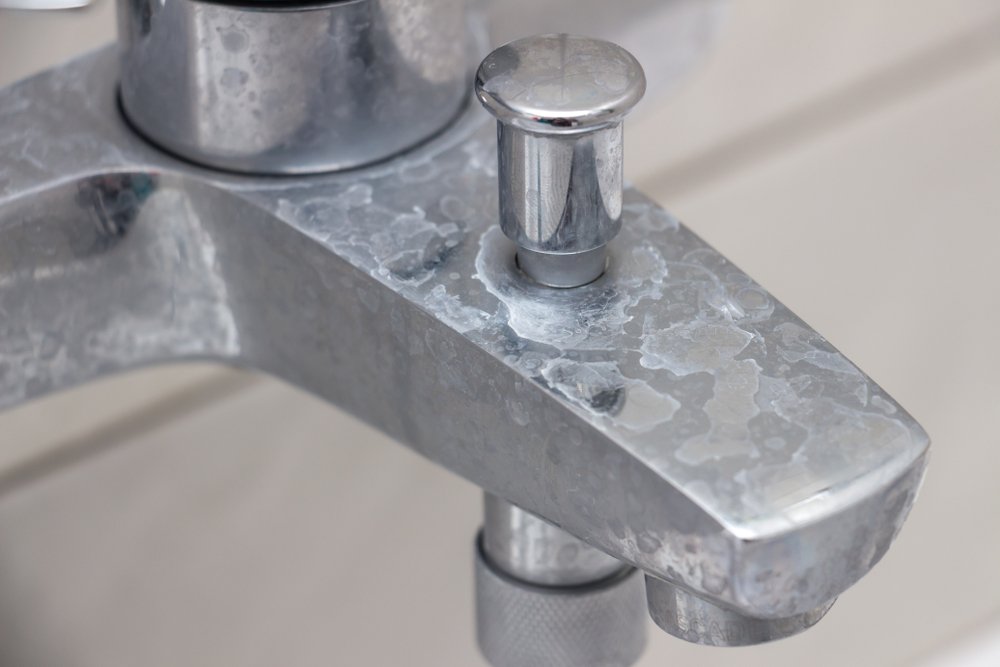
    Have you noticed any soap scum buildup or mineral crust on your shower head and faucets?

    Hard water contains minerals such as calcium and magnesium, which easily bond to other metals due to their chemical structure. Over time, these bonds will create a crusty residue on your bathroom hardware. If left untreated, these deposits can accumulate, corrode, and clog pipes, resulting in major plumbing problems.

    Water softeners work to treat hard water by exchanging the calcium and magnesium ions with sodium ions. Sodium ions don’t interfere with household soaps and detergents and will not cause a mineral buildup.

    If you suspect hard water runs through your pipes, there are telltale signs that’ll let you know a water softener system is needed. Aside from protecting your home’s appliances, water softener systems have a handful of other great benefits as well.

    How Does a Water Softener Work?

    Water softener units are typically placed in your household plumbing near where the water enters.

    The unit, which is several cubic feet, has a porous plastic resin covered in positive sodium ions. As water flows through the system, the calcium and magnesium ions stick to the resin and release the sodium ions into the water.

    Once the resin has collected all the hardness material it can hold, the softener will regenerate them by rinsing the resin with salt water, which covers the plastic with sodium ions again.

    Many people think that water softeners are only necessary if you have a private well with extremely hard water. However, hard water comes in varying degrees and can negatively impact your home even if your water is municipality supplied. While the city is responsible for removing any impurities from the water, they typically do not remove hard materials.

    Benefits of a Water Softener

    While having hard water is not dangerous to your health, soft water is a much better choice for your home.

    The mineral ions found in hard water prevent it from being completely soluble with some soaps. Because soft water has fewer minerals, your skin is able to absorb and hold moisture much easier, resulting in softer and smoother skin.

    If you live in a hard water area, you’ve probably noticed that no matter what detergents you use, your dishes are always left with a cloudy appearance once they’re dry. Soft water fuses with soap easier, allowing for a better clean.

    Cleaning your home is already a time-consuming task, and with hard water, you’ll find yourself spending hours trying to remove chalky lime and soap scum from your faucets and shower heads. Installing a water softener will prevent the negative effects of hard water and save you hours of cleaning in the future.

    Reliable Water Softener Services in Ottawa

    Hard water can cause significant problems in your home and for you personally.

    By removing the hardness minerals, a water softener will allow for easier cleaning, less buildup, and a lower utility bill. Our team of experts strives to provide you with exceptional service in a timely and efficient manner.

    If you’re unsure if your home can benefit from a water softener system, don’t hesitate to get in touch with our experts today.

    David Laplante

    Advance HVAC

  • Reasons to Avoid DIY A/C Installation & Repairs

    Reasons to Avoid DIY A/C Installation & Repairs

    Air Conditioning systems, like any major appliance, will eventually need to be repaired and undergo maintenance. Due to high usage, air conditioning repairs, in general, are fairly common.

    Many people try to complete these repairs themselves. This is where issues arise, which is why we do not recommend attempting your own A/C repairs.

    Why You Shouldn’t Perform DIY A/C Installation & Repairs

    Without the proper knowledge of A/C Repair, it can be difficult, costly, and potentially dangerous. We have seen the less than ideal results of DIY A/C repairs time again, this is why we have assembled this guide to the top four reasons you should leave A/C repairs and maintenance up to the professionals.

    Warranty Void

    If you opt to repair your own A/C unit, you will be voiding the warranty on the system. This means if you ever have any more serious repairs required in the future, you will not be able to have them performed under warranty and it can lead to unforeseen steep expenses.

    Hiring a licensed expert to handle your A/C services will ensure your warranty is upheld, and you can rest easy knowing that your system is protected in the case of unforeseen complications in the future.

    Potential Contact With Refrigerants

    air conditioning refrigerant leaking

    Refrigerants can be extremely harmful to human beings if they are not handled properly. If you do not have the proper training and knowledge on how to handle these harmful liquids or gas, you risk poisoning. Refrigerants are also highly susceptible to catching fire if not handled properly.

    It is always wise to hire a professional who knows how to handle this volatile substance in a safe and efficient manner.

    Cost Of Tools and Parts

    One of the hidden costs associated with repairing or performing maintenance on your A/C unit yourself is the cost of the required tools, and the replacement parts required. A/C units require specific tools to properly perform any service on these systems. It can be dangerous to try and cut corners by using the wrong tools to save some money. We recommend hiring a professional to handle your A/C service. This will save you a significant amount of money in the long term. Investing in tools isn’t wise since they will only be used occasionally.

    Working With High Voltages

    It can be dangerous to attempt to repair or maintain your A/C unit without the proper training. Major systems such as A/C’s have high voltages running through them, and if they are not handled properly you risk being electrocuted.

    Advanced HVAC – A/C Repair & Maintenance Fine-Tuned

    Advanced HVAC has helped thousands of people with their A/C repairs. We use the highest quality tools to complete our repairs.

    When you require help with your next A/C installation or repairs, don’t hesitate to contact us at Advanced HVAC. You won’t regret trusting the professionals for your A/C repairs.

    David Laplante

    A/C