Blog

  • Air Conditioners and Allergies: Your Indoor Air Quality Guide

    Air Conditioners and Allergies: Your Indoor Air Quality Guide

    Picture this: a beautiful spring afternoon, birds chirping, fresh flowers dancing in the air, you take three steps inside, and the sneezing starts. Sound about right? Air conditioners and allergies are more closely linked than most homeowners realize, especially here in Ottawa, where pollen season barely takes a breath. Allergies to AC are surprisingly common. Good news: your AC can absolutely solve this. Bad news: most of us run ours in ways that feed the problem rather than address it.

    Key Takeaways:

    • Pollen is present from April through October in this region, so indoor air quality is a year-round concern.
    • A working Air Conditioner traps allergens and reduces humidity, whereas a neglected one does the opposite.
    • Most air conditioner allergies stem from four sources: filters, coils, humidity, and ducts.
    • Filter swaps, humidity balancing, and a yearly tune-up solve roughly 80 percent of cases.
    • For the rest, whole-home filtration, UV, or proper humidity control does the job.

    Why Ottawa Homes Are Allergy Hotspots

    Here’s the reality: if home feels worse than outside, the air is your problem. Indoor air quality is just shorthand for what you’re breathing in your own house: dust, spores, moisture, and gases. And in Ottawa’s climate, these conditions stack against allergy sufferers starting day one.

    A pollen offence that’s always on the attack

    Trees kick off in April and run through June. Grass picks up the slack from June through July. Then ragweed muscles in from August through the first frost. The Ottawa pollen season isn’t a season; it’s a marathon. Open a window, and you’re letting the trigger straight in.

    Tight houses, trapped allergens

    We build homes here to survive minus thirty. The same construction also traps summer pollen, dust mites, and pet dander inside once the windows close. With nowhere for that air to go, levels just keep climbing.

    Indoor air has more pollutants than outdoor air

    Surprises people. Health Canada says indoor air in homes is 2 to 5 times dirtier than outdoor air. Cooking, furniture off-gassing, pet dander, dust mites, it all builds up.

    How a Neglected AC Triggers Allergy Symptoms

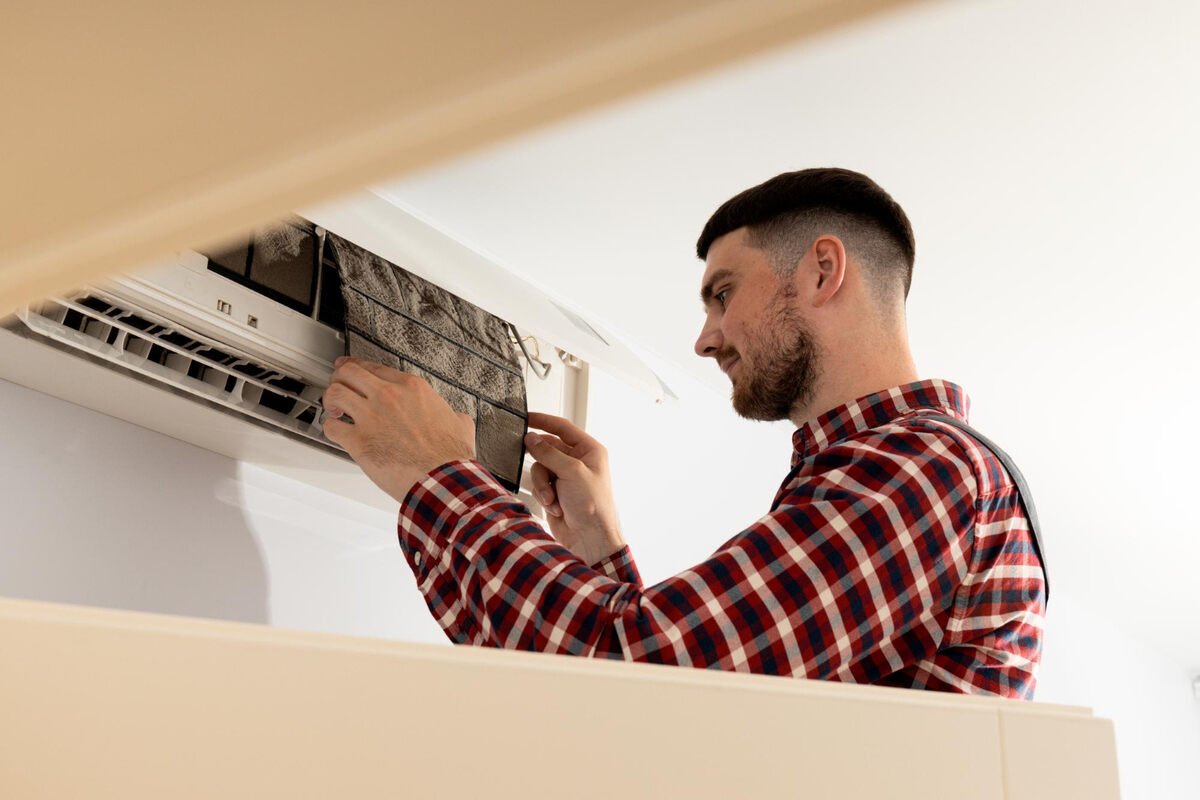
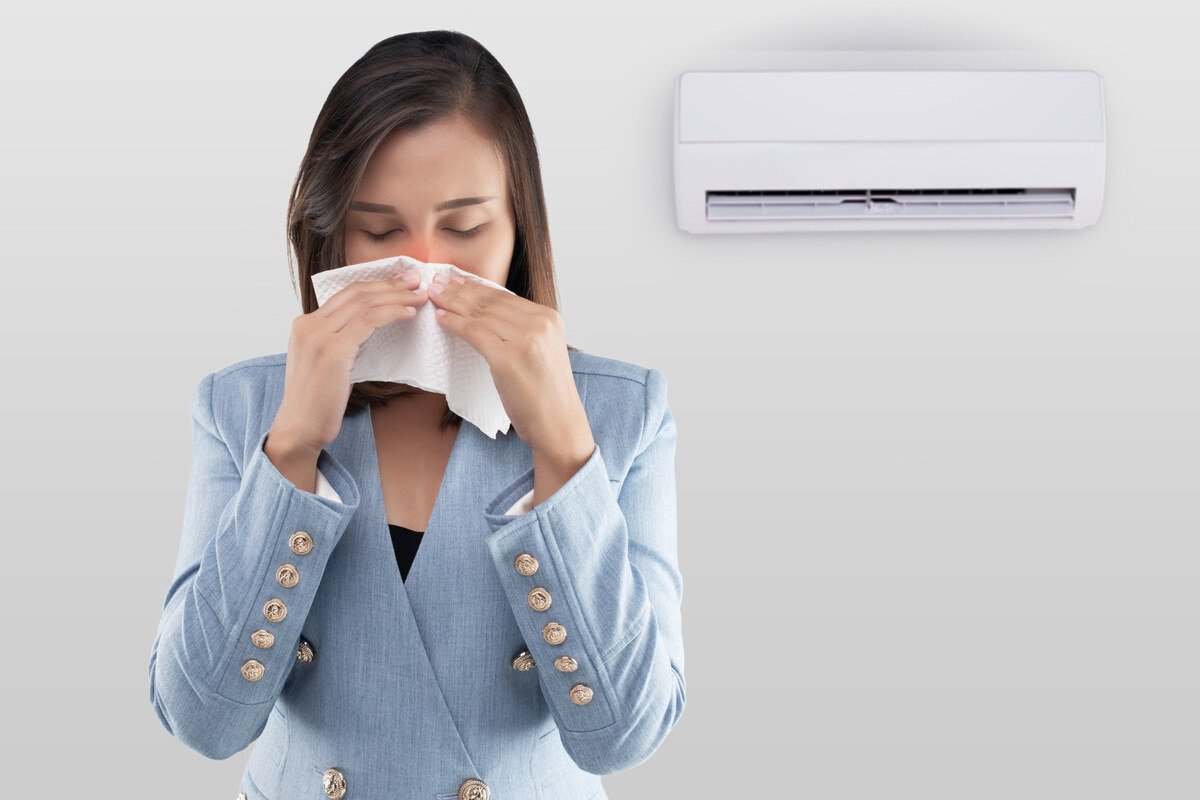
    air-conditioner-allergies

    This is where air conditioner allergies get tangled. The system is supposed to clean your air. Skip service for a couple of years, though, and it can quietly start doing the opposite. An air conditioner causing allergies usually shows one of four issues, and at Advanced HVAC, we see them repeatedly.

    A filter that quit working months ago

    The filter is your front line. When it’s loaded with junk, it stops trapping new items and starts releasing what it’s already caught. A basic builder-grade AC filter for allergies never had the rating to catch them in the first place.

    Mould on the coil

    Evaporator coils live in cool, damp conditions all summer. Add a slow drain pan, and you’ve built yourself a small mould farm. Every cycle pushes those spores into the rooms where you eat and sleep.

    Humidity that’s out of whack

    Humidity and allergies go hand in hand. Dust mites, mould, and mildew thrive in overly humid conditions. Dryness makes your sinuses feel worse and intensifies the effects of any pollen you encounter. 30 to 50% is your target.

    Ductwork that leaks

    Invisible, but real. Ducts in attics, basements, and crawlspaces develop gaps. The system sucks air through those gaps, collecting dust, insulation, sometimes worse, and then blows it into your bedrooms. A proper AC repair service finds and seals those.

    Warning Signs Your AC Is Behind the Sneezing

    How do you tell if it’s the unit and not just the trees outside? Allergies from AC leave a pretty consistent fingerprint once you know what to watch for. If two or three of these match your house, it’s the system.

    • Allergy symptoms hit harder the moment the AC turns on
    • A musty, damp, basement-like smell from the vents at startup
    • Dust on supply registers days after cleaning
    • Water or condensation pooling near the indoor unit
    • Rooms with vents feel worse than those without vents
    • You feel fine outside, then you walk back in, and it starts again

    One sign on its own is nothing. Two is suspicious. Three is your answer. Spotting an air conditioner causing allergies isn’t hard once you know what to look for. If breathing’s getting hard, our emergency HVAC services are available 24/7.

    Choosing the Right Filter and Understanding MERV Ratings

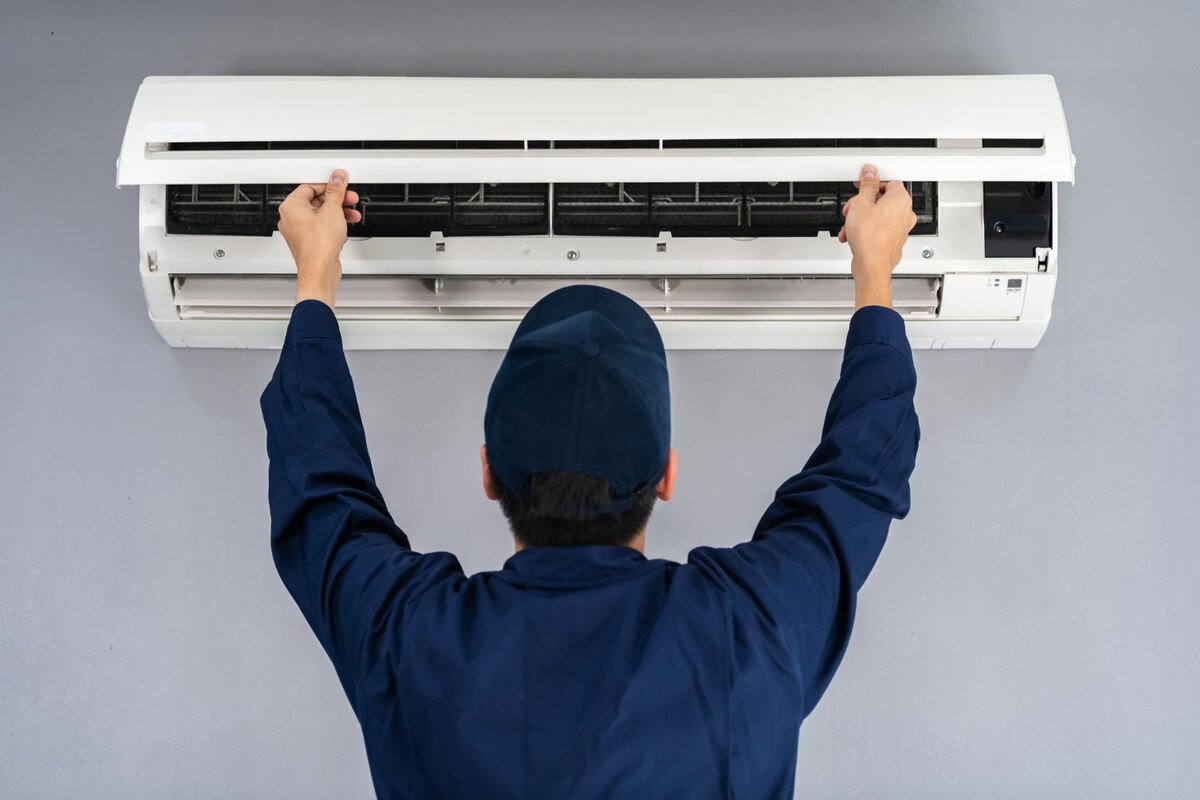
    allergies-from-ac

    If you do one thing for HVAC allergies, fix the filter. There’s a clear hierarchy of air conditioner filters for allergies, and most homes are running the wrong tier, whatever was on the hardware store shelf.

    What MERV actually means

    The MERV rating scale runs from 1 to 20. The bottom range (1 to 4) only catches the obvious stuff. The 8 to 10 zone pulls pollen and pet dander. The best HVAC filters for allergies sit in the 11 to 13 band; that’s what most Ottawa homes should be running. It traps mould spores, fine dust, smoke particles, and almost every allergen worth catching, without choking the blower. Above 14, you’re in HEPA territory and need a system designed for that resistance.

    Match the filter to your system

    For most houses, choosing among HVAC filters for allergies comes down to a MERV 11 or 13 pleated option. It catches what matters and lets the air move. One catch: a high MERV rating in a system not built for it can starve your blower. So matching the filter to your gear matters as much as picking a high number.

    When the filter alone isn’t enough

    Filter upgraded, but symptoms still persist? Time for an in-system air cleaner. Stepping up to whole-home air filtration captures down to bacteria and smoke. Our air quality control options live in that tier.

    Maintenance That Keeps Allergens Out Year-Round

    Strong AC maintenance for allergies isn’t complicated. Short list, done consistently. Most of it is on you. The rest is on us. It starts with the best HVAC filter for allergies you’ve installed and how often you swap it. Quality air conditioner filters for allergies are the foundation of every maintenance plan.

    What you handle:

    • Swap your AC filter for allergies every one to three months, monthly during Ottawa’s pollen season peaks, or if you have pets
    • Wipe the supply and return vents with a damp cloth every couple of weeks
    • Keep furniture, rugs, and curtains off the vents
    • Grab a cheap hygrometer, monitor your humidity, and keep it between thirty and fifty percent
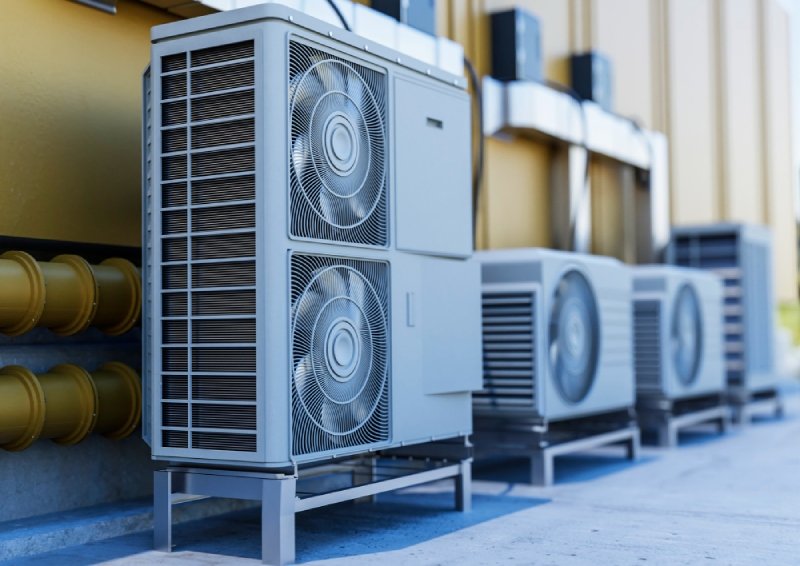
    • Clear leaves and debris away from the outdoor condenser
    • Book a yearly pro tune-up before the cooling season kicks in

    What we handle: coil cleaning, drain-line flushing, refrigerant checks, electrical inspections, and ductwork. A skipped tune-up is the most common reason we see allergy flare-ups by July. Our AC maintenance program catches problems before they reach your air.

    When DIY Isn’t Enough, Upgrades for Ottawa Homes

    air-conditioner-filters-for-allergies

    Sometimes the filter’s right, the service is done, and someone in the house is still suffering. That’s when a bigger gear starts making sense. The air quality that Ottawa homes actually require is different from that in Toronto or Vancouver. Ottawa has greater humidity fluctuations, drier winters, wetter summers, and longer pollen seasons. The equipment must be compatible.

    Whole-home air filtration

    A whole-home air filtration system runs every cubic foot of air through high-grade media. It captures bacteria and smoke particles. A plug-in purifier covers one room. This covers the whole house. Most HVAC filters for allergies won’t catch bacteria on their own; that’s where these systems step in.

    UV-C purifiers

    The UV-C light at the coil prevents mould and bacterial growth. Quiet, easy to maintain, just change a bulb now and then.

    Humidifiers and dehumidifiers

    Whole-home humidifiers add moisture during the dry winter months. Dehumidifiers remove excess moisture in summer when humidity and allergies rise together. Our humidifier and dehumidifier installations are specifically sized for this climate.

    Is duct cleaning worth it?

    If you’ve just renovated, recently moved in, or can literally see debris in your vents, yes. Otherwise, regular filter maintenance and a yearly tune-up handle what duct cleaning would otherwise address. The Advanced HVAC team will tell you straight up which one your home actually needs.

    Schedule Your Service Today

    Short version: air conditioners and allergies are more closely linked than people think. Your AC either cleans your air or makes it worse, depending on filter choice, humidity, and consistent maintenance. The best HVAC filters for allergies in your size range usually fall in the MERV 11-13 range. If you’ve been searching for HVAC services near me, the team at Advanced HVAC has been tuning systems to meet the needs of Ottawa households for years. Book a free assessment, and we’ll tell you what needs fixing, what doesn’t, and what’s worth your money.

    Frequently Asked Questions:

    Why does the AC trigger my allergies?

    Usually it’s one of three things: a clogged filter, mould on the coil, or humidity out of range. Any of those turns your AC into the source of HVAC allergies, not the solution.

    How often should I change my AC filter for allergies?

    Most homes need it every 1 to 3 months. Make it monthly during peak pollen season, with pets, or if someone has asthma.

    Does running the AC help with seasonal allergies in Ottawa?

    Yes, it does. The unit keeps windows closed, reduces humidity, and filters pollen during operation. Just ensure the filter is clean and the system has been serviced this year.

    What’s the best AC filter for allergy sufferers?

    The best HVAC filter for allergies is typically a MERV 11-13 pleated filter for nearly all homes. It traps pollen, dander, mould spores, and fine dust without blocking the blower.

  • Spring cleaning inside and out: Tips for avoiding costly Air Conditioner Issues

    Spring cleaning inside and out: Tips for avoiding costly Air Conditioner Issues

    Key Takeaways:

    Crack the windows and let some air in. It’s the time of year to think about spring cleaning. And just A bit of springtime prep can save homeowners from potentially costly breakdowns once humid weather settles in. And the good thing is, most of what needs to be done can fit into a single afternoon.

    • Clear leaves, twigs, and other debris from around the outdoor condenser before turning the power back on.
    • Change the air filter, inspect the indoor vents and ductwork
    • Turn on the thermostat early, long before the first warm spell of May.
    • When you start up, pay close attention to unusual sounds, vibrations, or weak airflow.
    • Tune-ups are important; schedule an annual one with a trained professional to safeguard efficiency, warranty, and indoor air quality.
    • Just in case, take a few pictures of the cleaned area. Use it as a reference in case anything looks amiss next spring.

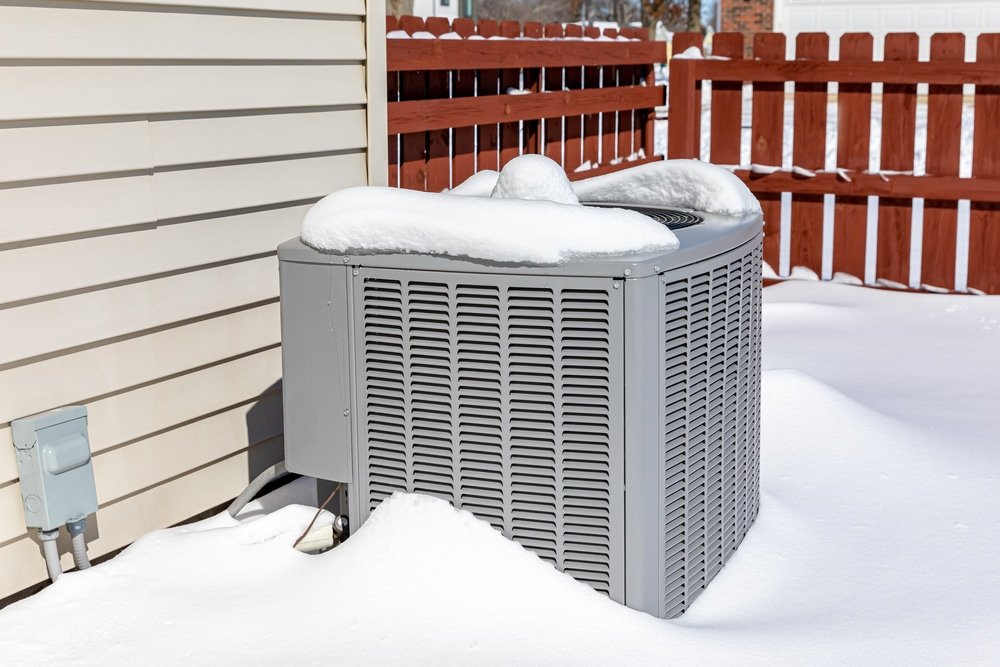
    We know Ottawa winters are long and cold. Your cooling unit is exposed to all the elements, buried in the snow, and forgotten for half a year. By April, that silent metal box has endured more than one freeze-thaw cycle, possibly road-salt spray, and likely a curious critter or two poking at the exterior. When you eventually turn the thermostat on that first warm Saturday, things can get out of hand very quickly, and that’s why it’s imperative you do a little bit of prep.

    Prepping your air conditioner for summer is more important here than in milder cities. Just a bit of effort now keeps you out of the July repair queue, at a time when it seems every contractor in town is booked solid for multiple days. The air conditioner checklist below is based on real Ottawa homes, not generic advice from elsewhere; it’s tailored to our city’s unique weather.

    Why does spring prep matter?

    Our region puts cooling systems through a tougher off-season than almost anywhere else in the country. The weight of snow, freeze-thaw stress, and salt spray silently wear down the outdoor cabinet for months on end. Stratum in the pollen flowers in May and June, and a forgotten filter soon becomes an allergy trigger right in your home. And if you live closer to the river or in tree-heavy neighbourhoods, debris from spring melt tends to accumulate more heavily on outdoor cabinets than in newer subdivisions.

    Add to it the wildlife, an aspect most people do not consider until they have to. Smaller critters, such as mice and squirrels, love a quiet outdoor unit in winter. They will chew wiring or nest inside the casing. Preparing for summer means spotting and addressing minor issues before they turn into a no-cool crisis in mid-July, when wait times can extend to more than a week.

    Your Homeowner’s AC Checklist

    air-conditioner-checklist

    Step 1: Inspect and Clean the Outdoor Condenser

    Never leave the disconnect box at the end of the unit first; always kill power at the disconnect box. When safe, remove leaves, twigs, dead grass, dryer lint, and other debris that may have accumulated around the cabinet. Prune shrubs and grass back by at least 2 feet to allow air to flow freely when the system kicks back in.

    Look closely at the metal fins. Hail damage or snowblower spray can bend them flat, which kills performance quickly. A fin comb fixes most of that in just a few minutes. Then gently rinse the coils with a garden hose, not a pressure washer. It will wreck them. This is the first step in getting your AC unit ready for summer, and it is the step most homeowners either skip entirely or rush through. Take your time, do it right.

    Step 2: Replace the Air Filter

    Standard one-inch filters need to be swapped every 1 to 3 months while you’re cooling. Thicker four- or five-inch media filters last 6 to 12 months. When pets, allergies, or recent renovations are part of your daily life, you may need to change your filter more frequently. Skipping this for too long can spike your hydro bill: a clogged filter can result in a 15% reduction in efficiency, which adds up fast during Ottawa’s hottest weeks. 

    Higher MERV (Minimum Efficiency Reporting Value) ratings trap more dust and pollen, which can help anyone in your household who reacts to spring air. Just don’t set the rating too high without confirming your system can handle the added airflow restriction. Pay attention to the airflow arrow on the filter frame too; installing it backward reduces efficiency without any obvious warning signs. A clean filter is the cheapest way to prepare an air conditioner for summer without picking up the phone.

    Step 3: Check Indoor Vents, Registers, and Ductwork

    Inspect each room and open all supply and return vents you encounter. Many people seal them in winter and forget about them when the weather gets warmer. Vacuum the grilles and look closely at the edges; this will help you spot signs of duct leakage.

    Check whether the access panel on your indoor evaporator coil is closed as well. A loose panel will reduce efficiency and allow dust to settle directly on the coil. Getting the air conditioner ready for summer does not stop at the outside unit; the inside unit is equally important and is the part most homeowners do not bother to check.

    Step 4: Test the Thermostat

    getting-air-conditioner-ready-for-summer

    Change the batteries when your model requires it. Set the system to cooling mode and observe the outdoor unit; it must start within five minutes. When using a smart thermostat, adjust the weekly schedule for warmer days ahead. During winter outages, smart thermostats may lose their Wi-Fi connection, so make sure yours is still connected to the app before relying on remote scheduling.

    Step 5: Inspect the Condensate Drain Line

    Locate the PVC drain line close to your indoor unit. Pour a cup of vinegar and warm water down it to clear algae buildup before it spreads. A clogged drain is the leading cause of basement water damage during humid weeks here, and most insurance claims could’ve been prevented with this single five-minute task.

    One of the best reasons to get an AC unit ready for summer is that it’s not just an outdoor job; what is happening under the floors is just as important as what is happening outside the walls.

    Step 6: Run a 15-Minute Test Cycle

    Adjust the thermostat to approximately 5 degrees below the current room temperature, then turn it on. Listen closely for sounds like grinding, rattling, or hissing. Go through the house to ensure that cool air is available at all registers without any pressure loss. Outside, the fan should spin smoothly without any wobbling. Measure how long it takes the system to cool the indoor air by a few degrees; slow cooling on a cool day is a common indicator of a problem that should be investigated early.

    Look at the refrigerant lines as well; frost indicates a low charge or restricted airflow, both of which require professional attention. Preparing the air conditioner for summer wraps up with this real-world test, not just a visual once-over of the equipment. When everything is running smoothly, you have completed your air conditioner checklist without paying anybody yet.

    Know When to Call a Professional

    getting-ac-unit-ready-for-summer

    You can easily do most things on your own; however, certain jobs require certified hands, both legally and practically. Having your air conditioner serviced before summer with an annual tune-up not only protects your efficiency and manufacturer’s warranty, but can also reduce stress and save your wallet in the future.

    • Only certified technicians are permitted to perform refrigerant work under Ontario TSSA regulations.
    • The majority of equipment warranties require documented annual maintenance to remain valid.
    • A licensed technician checks the refrigerant pressure, tests the capacitor, tightens electrical connections, and deep-cleans the coils.
    • Ice on lines, warm air in vents, tripped breakers, or burning odours require immediate attention.
    • At Advanced HVAC, we provide annual maintenance contracts in the Ottawa area.

    If anything feels off during the test run, don’t push the system; the cost of one ignored noise can lead to a bigger bill in the future. It’s imperative to know when to step back and have a professional inspection. The simplest way to prepare for your summer is with full confidence in a reliable technician.

    Conclusion

    A single Saturday or a few hours over the weekend spent prepping usually keeps the worst July headaches at bay. This list should be a ritual, not a task, performed once a year. When something does not feel right during your test run, do not push it; having your air conditioner ready for summer with professional assistance is a money-saving measure in the long run.

    Advanced HVAC serves Ottawa and the surrounding areas. Contact or call 613-833-9963 to book a tune-up before peak season hits.

    FAQs:

    How to prepare an AC unit for summer in Ottawa?

    Cut power, clear debris around the outdoor unit, replace the filter, test the thermostat, and book a yearly tune-up.

    How to prepare your AC for summer after a long Ottawa winter?

    Look for rodent damage, melt residue, and frost on the refrigerant lines during first start-up. Sniff for burning smells too; that’s usually just dust burning off.

    When should Ottawa homeowners turn on their AC for the first time?

    Wait for a dry afternoon above 16°C, usually mid to late April. An early test run beats the May service rush by a wide margin.

    How much does an annual AC tune-up cost in Ottawa?

    Pricing depends on the system type and overall condition, but it’s a small fraction of the cost of a single breakdown call. Reach out to Advanced HVAC for a current quote.

  • Heat Pump vs Furnace for Ottawa Homes: What’s the Right Choice?

    Heat Pump vs Furnace for Ottawa Homes: What’s the Right Choice?

    Key Takeaways:

    • When comparing a heat pump vs a furnace for Ottawa homes, your home size, insulation, and fuel access matter most.
    • The best heating system for Ottawa winters depends on temperature performance and long-term operating cost.
    • A dual fuel vs all-electric heat pump in Ottawa can lower energy bills in extreme cold.

    A professional quotation for the installation of a heat pump should always be obtained in Ottawa before making a decision.

    Winters in Ottawa are severe, long, and draining. Temperatures often fall below -20 °C, and your heating system runs continuously for months. You may be wondering whether a heat pump or a furnace is a better investment if your unit is old or not functioning properly.

    Several homeowners in Ottawa are debating between heat pump and high-efficiency furnace models prior to the upgrade. Both systems are effective at heating your home, but they do so differently. They also vary in terms of installation and operating costs, as well as performance in extreme cold.

    This guide explains everything clearly and simply. We will compare performance, cost, energy efficiency, and long-term value so you can make the right choice when buying a home in Ottawa.

    Should I Get a Heat Pump or Furnace in Ottawa?

    A furnace uses natural gas combustion to produce heat. The heat is transferred through your ductwork and into your house. An efficient furnace installed by Ottawa homeowners has a high efficiency rating of 95% or higher. This implies that a large portion of the fuel is converted into usable heat.

    A heat pump operates differently. It does not burn fuel. Rather, it brings the outside air heat into your house. There is still some heat energy in the outside air even in winter. The Ottawa model of cold-climate heat pump is designed to operate at freezing temperatures.

    Choosing between the two depends on:

    • Whether your home has natural gas service
    • Your budget
    • Your insulation quality
    • Your long-term energy goals

    Both systems can perform well when properly sized and professionally installed.

    What is the Best Heating System for Ottawa winters?

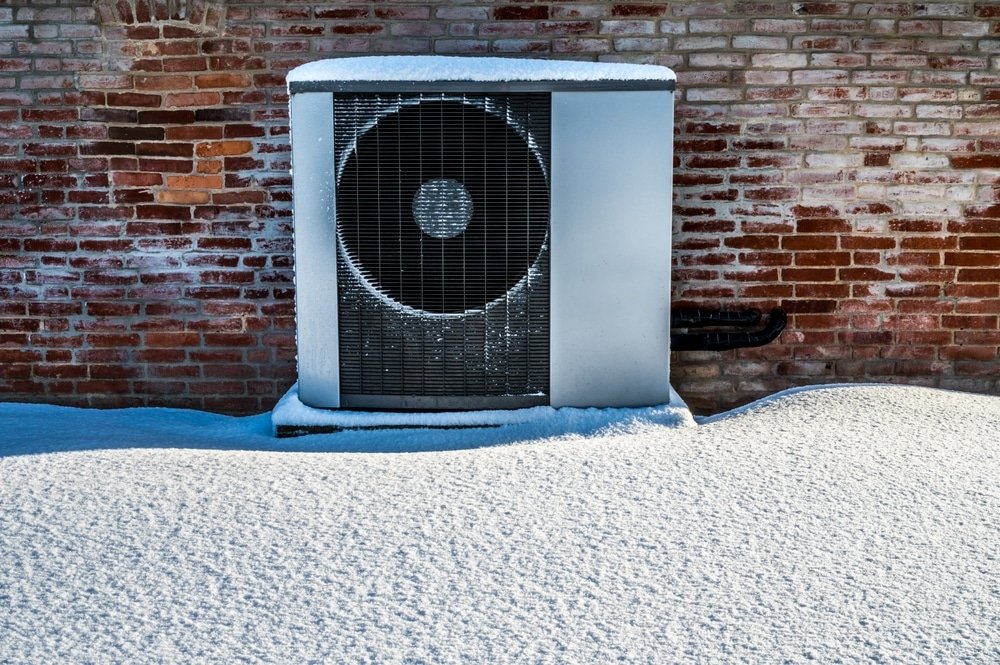
    best-heating-system-for-Ottawa-winters

    The best heating system for Ottawa winters must reliably handle extreme cold. Ottawa’s climate includes long periods below freezing and sudden cold snaps.

    Cold Climate Heat Pump Performance in Ottawa

    Contemporary cold-climate models are much more powerful than older heat pumps. Even when it falls below -20 C, a cold-climate heat pump in Ottawa can still function. Nevertheless, the efficiency declines with low outdoor temperatures.

    Some systems rely on electric backup heating when temperatures drop extremely low. These periods may increase operating costs due to higher electricity prices.

    High-Efficiency Furnace Performance in Ottawa

    A highly efficient furnace Ottawa residents would install is one that performs reliably even during deep winter. Furnaces generate warmer supply air than heat pumps and can raise indoor temperatures quickly.

    Furnaces tend to be better and more effective in extreme cold conditions.

    Dual Fuel vs. All-Electric Heat Pump in Ottawa: Which Is Better?

    Many homeowners compare dual-fuel vs all-electric heat pump systems in Ottawa when upgrading.

    What Is a Dual Fuel System?

    A dual-fuel system combines a gas furnace and a heat pump. The heat pump operates in warm weather. The system automatically turns on the furnace when the temperature becomes too low to give its maximum performance.

    This setup provides:

    • High efficiency in fall and spring
    • Strong furnace heat in extreme winter
    • Balanced energy use

    In Ottawa’s climate, dual-fuel offers flexibility and reliability.

    What is an all-electric heat pump?

    An all-electric system relies only on electricity. It may include electric backup heating for very cold days. This option works well for homes without gas service.

    When comparing a dual-fuel heat pump to an all-electric heat pump in Ottawa, homeowners often consider energy goals and utility rates before deciding.

    Understanding Heat Pump vs Furnace Cost Ottawa Homeowners Pay

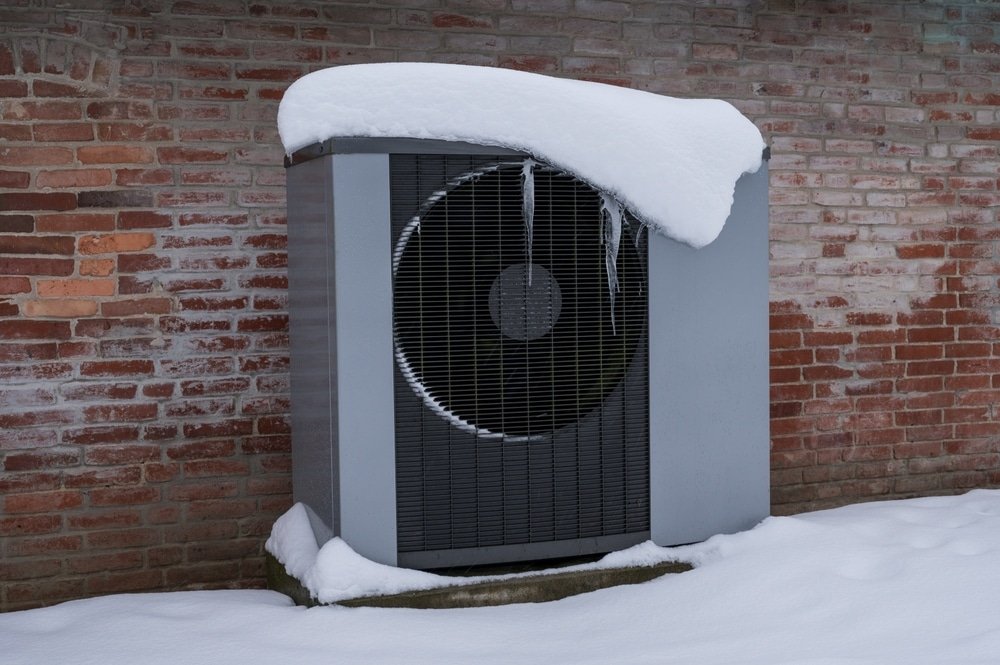
    heat-pump-vs-furnace-cost-Ottawa

    Upfront cost is one of the biggest decision factors. The heat pump vs furnace cost Ottawa homeowners face depends on equipment type and installation complexity.

    Furnace Installation Costs

    If your home already has ductwork and a gas line, installing a high-efficiency furnace is often straightforward. This usually makes the initial cost lower compared to a heat pump system.

    Heat Pump Installation Ottawa Quote Factors

    A heat pump installation quote in Ottawa depends on several variables:

    • Home size
    • Insulation levels
    • Existing ductwork
    • Electrical panel capacity
    • Outdoor unit placement

    The heat pump needs an outdoor and an indoor unit. Electrical upgrades may be required in some homes, and this can be more expensive.

    Although in the case of the heat pump vs furnace cost in Ottawa comparison, the upfront cost of the heat pumps is higher than that of the furnace, other elements, such as rebates and energy savings, can compensate for part of the investment in the long run.

    Comparing Heat Pump vs Furnace Operating Cost for Ontario Residents

    heat-pump-installation-quote-in-Ottawa

    In addition to installation, there is the issue of operating costs. The operating costs of a heat pump vs a furnace for Ontario homeowners hinge on electricity costs, natural gas prices, and weather conditions.

    Energy Source Differences

    A heat pump is an electricity-powered device. Natural gas is normally used in furnaces. When electricity prices rise, the cost of operating a heat pump increases as well. When gas prices rise, the cost of a furnace increases.

    Efficiency and Climate Impact

    Heat pumps work very efficiently when the temperatures are mild. They can transfer more heat energy than the electricity they use. Nevertheless, efficiency decreases at extreme temperatures.

    Furnaces have consistent efficiency regardless of outdoor temperature. This is why comparing heat pump and furnace operating costs in Ontario is a thoughtful decision for many homeowners before choosing a system.

    Heat Pump vs Furnace Decision Checklist

    Use this heat pump vs furnace decision checklist to guide your choice.

    1. Do You Have Natural Gas Access?

    Yes, then you may wish to consider a furnace, a heat pump or a dual fuel.

    If not, the primary alternative can be an all-electric heat pump.

    2. What Is Your Budget?

    A furnace may be less expensive to buy initially. The heat pumps will have a higher initial investment but may offer long-term efficiency benefits.

    3. How Well Insulated Is Your Home?

    Well-insulated houses enable heat pumps to work more effectively. Poorly insulated older homes might be more dependent on furnace heat in winter.

    4. What Are Your Long-Term Goals?

    Are you concerned about reducing gas use? Reducing emissions? Increasing resale value? The objectives are important in heat pump vs high-efficiency furnace Ottawa systems.

    Using this checklist can simplify your decision and help you choose the best system for your needs.

    Maintenance and System Lifespan

    Both systems require annual maintenance to operate effectively. Furnaces require filter changes and burner inspections. The heat pumps need inspection of the outdoor unit and coil cleaning. Most systems have a lifespan of 12 to 20 years with proper care.

    Regular maintenance enhances performance, reduces operating costs, and extends the system’s life.

    When to Request a Heat Pump Installation Quote in Ottawa

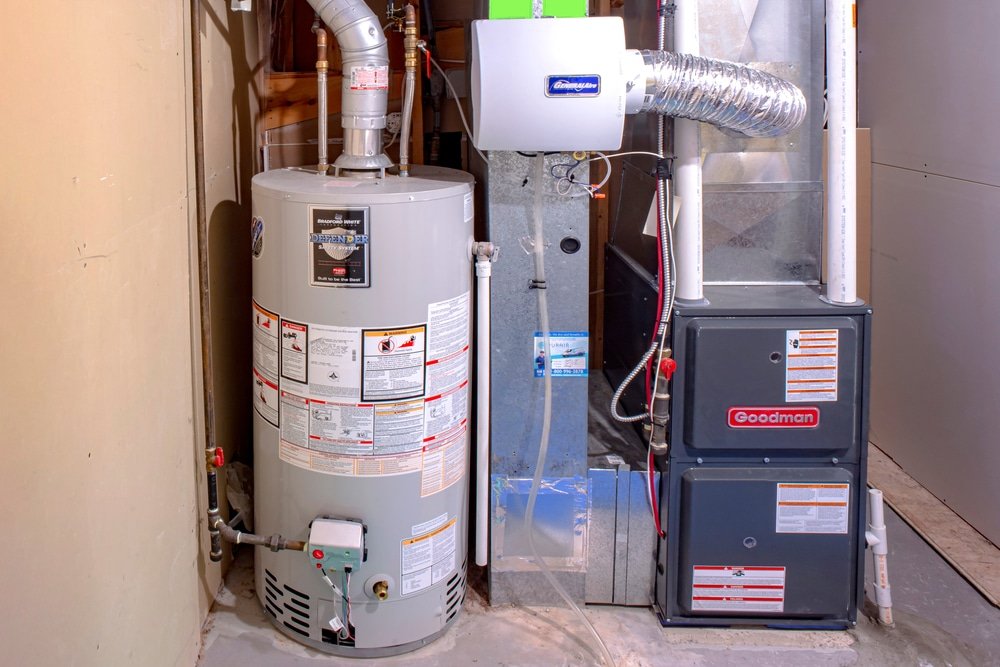
    heat-pump-vs-furnace-decision-checklist

    If your current heating system is over 15 years old, needs frequent repairs, or struggles to keep your home warm, it may be time to explore options.

    Requesting a heat pump installation quote in Ottawa gives you:

    • Clear pricing
    • Equipment recommendations
    • Rebate information
    • Energy savings estimates

    A professional evaluation ensures your system is properly sized for Ottawa’s climate and your home’s layout.

    Final Thoughts: Choosing the Best Heating System for Ottawa

    The decision between a heat pump and a furnace is not only a matter of cost. Convenience, dependability, and savings matter in the long term. In the heat pump vs high-efficiency furnace debate, winter performance, operating costs, and your home’s setup should be taken into consideration.

    The most appropriate heating system for Ottawa winters is one that is properly sized and professionally installed for your particular property.

    If you are not sure, the next step is to talk to a reputable HVAC professional. Our team at Advanced HVAC can review your home, discuss your options with you, and provide an in-depth quote for a heat pump installation in Ottawa or a furnace estimate.

    Contact us today to schedule your consultation and make the right heating choice for your home.

    Frequently Asked Questions

    Do heat pumps work during Ottawa winters?

    Yes. A well-sized cold-climate heat pump in Ottawa can operate in freezing temperatures. Nevertheless, efficiency declines in extreme cold, which is why some homeowners choose dual-fuel systems for added reliability.

    Are high-efficiency furnaces in Ottawa more reliable for homeowners?

    A high-efficiency furnace system in Ottawa performs excellently in deep winter. It generates warmer air and keeps the heating constant even when the temperature drops drastically.

    What is the average heat pump vs furnace cost Ottawa residents should expect?

    The cost of a heat pump vs a furnace Ottawa homeowners pay depends on the system size and installation requirements. The heat pumps can be quite expensive to install, but they can be rebated and save energy in the long term.

    Which system has lower heat pump vs furnace operating cost in Ontario?

    The comparison of heat pump and furnace operating costs in Ontario is based on utility rates and winter severity. Heat pumps perform well in moderate temperatures, whereas furnaces are more predictable in extreme conditions over the long term.

    How do I choose between dual-fuel and all-electric heat pump systems in Ottawa?

    When comparing dual-fuel vs all-electric heat pump systems in Ottawa, consider the availability of gas and the average temperature in your home’s location. Dual-fuel is flexible, and all-electric is suitable for homes without a gas supply.

  • Repair vs Replace Air Conditioner: How to Decide?

    Repair vs Replace Air Conditioner: How to Decide?

    Key Takeaways:

    Here is a quick overview of what matters most before you make the call.

    • A repair often makes sense when the system is newer, the issue is small, and the unit has been dependable so far.
    • Replacement usually becomes the better path when breakdowns keep happening, or cooling performance keeps slipping.
    • The real decision is not only about today’s bill, but also about future comfort, energy use, and reliability.
    • Looking at the full repair vs replace air conditioner question can save you from spending money twice.
    • A professional opinion can help you avoid guessing, especially when you need air conditioner repair in Ottawa you can trust.

    Few things feel more frustrating than an air conditioner that stops working when you need it most. Perhaps the house is warm when the thermostat indicates it is not. Perhaps the unit has begun making weird sounds, cycling excessively, or charging you more energy than you thought.

    That is where the decision to repair or replace the air conditioner becomes more important than it first seems. A quick repair can absolutely be the right move in some homes.

    What Should You Ask Yourself Before Choosing AC Repair?

    air-conditioner-repair-service-in-ottawa

    Is Your Air Conditioner Still Relatively New?

    Age changes the conversation right away. If your air conditioner is still on the newer side and has not given you much trouble before, a repair may be the sensible move. When properly maintained, most systems can provide years of good service, and therefore replacing one prematurely may not be the best deal.

    A new unit with one defective component is quite different from an old system with an increasing list of problems. When the equipment has not yet reached the end of its useful life, the repair vs replace air conditioner path can often lead to the conclusion that it should be repaired before rushing to replace it.

    Is the Problem Minor and Isolated?

    Not all breakdowns imply that the entire system is finished. In some cases, it is just a capacitor, contactor, thermostat, wiring connection, or another component that can be replaced without making the job a big project. When the core equipment is still healthy, a focused repair can restore your comfort without a huge bill.

    This is where it helps to take things slowly and avoid panic decisions. When the problem is localized, and the rest of the unit is functioning as intended, the most intelligent solution is to repair or replace air conditioner components rather than replace the entire system.

    Has Your System Been Reliable So Far?

    A reliable track record is important. When your AC has been silently working for years, and this is the first actual issue, it speaks volumes. A one-time problem does not necessarily imply that the unit is on its deathbed. In most households, it is more prudent to repair the existing issue and keep the system stable.

    This is particularly so when comfort is restored soon after service. A unit that cools efficiently, runs smoothly, and hasn’t been emptying your wallet might be worth another season or two before you invest heavily.

    Is the Repair Cost Still Reasonable?

    Homeowners are typically the most concerned with cost, and rightfully so. When the repair is not too difficult and much less expensive than a new installation, it may be reasonable to continue using the existing unit. The key is to look beyond the invoice you are currently reviewing. A fair repair on a reliable system is one thing. Repeated spending on a unit that keeps disappointing you is something else entirely.

    When you compare the cost of fixing the issue with the remaining useful life of the system, the repair-or-replace air conditioner decision becomes more grounded and less emotional.

    What Should You Ask Yourself Before Choosing an AC Replacement?

    air-conditioner-replacement-in-ottawa

    Are Breakdowns Becoming More Frequent?

    At some point, service calls cease to be solutions and become a pattern. When your air conditioner is failing every season, or even more than once in the same summer, the system is no longer reliable enough to be worth repairing.

    That is often the moment homeowners begin to seriously consider replacing their air conditioner in Ottawa rather than another temporary fix. Constant breakdowns not only cost money. They also cause stress, disrupt your home, and make you wonder when the next problem will surface.

    Is Cooling Performance Getting Worse?

    A struggling AC often shows signs before it stops completely. Rooms may cool unevenly. Airflow may feel weak. Even when the system operates for extended periods, the house may take longer to reach the desired temperature. These problems usually point to more than a small, isolated issue.

    If your comfort level keeps dropping despite previous service, it may be time to replace or repair the air conditioner with a long-term mindset. A more modern system may frequently deliver the consistent, smooth cooling that older systems struggle to provide.

    Are Your Energy Bills Getting Higher?

    An older air conditioner can keep operating and quietly get more expensive every month. Systems tend to become inefficient as they grow old. They operate more, run more, and consume more power to deliver less comfort. That increases your summer bills without the relief you anticipate.

    Air conditioner replacement in Ottawa may be a cheaper option in the long run in that case. A new unit can consume less energy, cool more efficiently, and offset the increased initial investment by performing better.

    Are Major Components Starting to Fail?

    Some repairs are simple. Others are not. The numbers may fluctuate rapidly when significant components, such as the compressor or evaporator coil, start to malfunction. These are the repairs that usually cause homeowners to stop, and with reason. It may be difficult to justify putting serious money into a system that is already aging.

    When the big parts are getting old, and the unit has already had its fair share of problems, the decision to repair or replace air conditioner equipment tends to shift the balance far more towards replacement.

    What Key Factors Can Affect the Decision?

     When your air conditioner starts struggling during summer, the pressure to make the right decision feels real. During a major August 2025 heat event, roughly 51 daily heat records were broken across Canada in a single day, which shows how important dependable cooling can be when temperatures surge. Here are the main things that can shape the final call:

    • The age of the current unit
    • How often has the system needed repairs
    • Whether the issue is minor or involves a major component
    • Current cooling performance throughout the home
    • Changes in monthly energy costs
    • The short-term repair bill compared with the long-term replacement value
    • Warranty coverage on a new installation
    • Your need for dependable comfort during Ottawa’s warmer months
    • The quality of the assessment you receive from a technician

    When homeowners honestly consider these points, the repair vs. replace air conditioner question becomes easier to answer without second-guessing every option.

    When a Professional Inspection Can Save You Money

    repair-or-replace-air-conditioner

    Guessing is expensive. It is easy to assume a unit only needs one more repair, only to discover that the deeper problem was never properly addressed.

    • A technician can check the overall condition of the system.
    • Hidden issues can be found before they turn into bigger expenses.
    • You can learn how useful the unit may still be.
    • Performance problems can be traced back to their real cause.
    • You get a clearer comparison between repair cost and replacement value.
    • It helps you avoid putting money into a system that is already near the end of its lifespan.

    This is especially helpful when comparing air conditioner repair service in Ottawa with full air conditioner replacement in Ottawa. High-tech HVAC can accurately determine the state of your system; the suggestion is the same as the unit before you, not a sales pitch.

    Conclusion

    The decision to replace or repair an air conditioner depends on age, repair history, efficiency, and performance. A minor repair can be justified on a newer unit, but an older system with recurring problems can often be better served by replacement in the long term.

    If you need a candid opinion on air conditioner repair or replacement in Ottawa, contact us for a professional inspection and clear-cut advice tailored to your home.

    FAQs

    Should I Repair or Replace My Air Conditioner?

    If the unit is newer, the repair is less serious, and the system has been dependable, repair may be the more appropriate choice. If it is older and the issues continue to recur, replacement may be more cost-effective in the long run.

    When to Replace an Air Conditioner?

    Replacement is often the wiser choice when breakdowns are common, cooling performance continues to decline, major components are failing, and repair costs are increasing.

    Is It Worth Repairing an Old Air Conditioner?

    Occasionally, though not always. If the repair is minor, it may be worthwhile. When the system is old, inefficient, and requires constant maintenance, it might not be the most appropriate decision to spend more money on it.

    What Factors Help You Decide Between AC Repair and Replacement?

    The biggest ones are age, repair history, current efficiency, the cost of the problem, and the reliability of the system in cooling your home.

  • Pet Owners: Tips for HVAC Maintenance

    Pet Owners: Tips for HVAC Maintenance

    Hair of the dog is something we all dread – pet owner or not – whether you’re talking about one too many the night before, or that shedding hair you have to endure from your furry loved one. The hair from your dog or cat can really impact the ability of your HVAC system to run properly and efficiently. Plus, all of that dander and hair can hinder the quality of your indoor air, creating a breeding ground for allergies and irritation.

    If you own a pet, performing regular HVAC maintenance is imperative to prevent pet dander from accumulating inside of your air conditioning, heating, and ventilation system. Learn how to ensure your air distribution system is working optimally by following these tips for HVAC maintenance.

    Minimize Shedding As Best You Can

    For pet owners, there’s no doubt that your furry loved ones fill your home with unconditional love and affection. But, unfortunately, they also tend to fill our homes with so much hair and dander. One of the more effective ways to really avoid a build up of hair in your HVAC system is by minimizing shedding as best you can. That means keeping your pet clean and brushed on a regular basis. And when you do brush them, make sure you do it outside.

    Vacuum Regularly

    Of course, vacuuming is essential when you’ve got pets. Staying on top of regular, frequent vacuuming will help reduce the amount of hair that lingers along the floor and throughout your home that can easily get carried into the ventilation system. Purchasing an easy-to-use vacuum that you can easily whip out in a moment is helpful for performing this on a regular basis as opposed to a big, clunky one that takes much more effort and energy to use.

    Change the Air Filter Frequently in the HVAC System

    For pet owners, it’s necessary to be much more prudent with your air filter. It’s recommended to check your air filter at least once a month to monitor the condition of it and whether it needs to be cleaned or replaced. If you leave your filter without checking it for several months, all of that pet dander could force it to work much harder to maintain a comfortable atmosphere, which equates to higher utility bills and an overtaxed HVAC system.

    Barricade Your Outdoor Unit

    The outdoor unit may need some attention as well. When your pet runs around in your backyard, it’s important that they don’t have access near your condenser unit. Aside from it being dangerous if they chew on the coils, they can urinate on it and cause damage to the entire system over time. So make sure that your pet can’t go near your unit outdoors.

    For more tips and information about how to maintain your HVAC system for pet owners, our technicians at Advanced HVAC can help you with all of your questions and service-related needs.

    HVAC

    HVAC

  • How Can Advanced HVAC Enhance Your Home Heating in Ottawa?

    How Can Advanced HVAC Enhance Your Home Heating in Ottawa?

    Home Heating in Ottawa. A residential oil furnace - forced hot air with central air conditioning and an in-line humidifier as well.

    Home Heating in Ottawa, Ottawa winters are no joke. Freezing temperatures, heavy snowfall, and long months of cold weather make a reliable, efficient heating system essential for comfort and energy savings.

    But modern HVAC solutions go beyond just heating—they improve air quality, lower energy costs, and enhance overall home heating efficiency. With the latest advancements in HVAC technology, Ottawa homeowners can experience superior warmth, better air quality, and long-term energy savings.

    Whether upgrading an outdated furnace, considering a high-efficiency heat pump, or integrating smart home heating technology, investing in the right heating system makes a noticeable difference.

    The Benefits of an Advanced HVAC System for Home Heating In Ottawa

    Choosing an advanced heating system isn’t just about keeping warm—it’s about creating a more comfortable, efficient, and healthier living environment. Here’s how the right HVAC system can improve home heating in Ottawa:

    Energy Efficiency and Cost Savings

    Older home heating systems often waste energy, increasing utility bills and unnecessary carbon emissions. Modern HVAC systems are designed with high-efficiency technology, which means they:

    • Use less energy while delivering optimal warmth
    • Feature variable-speed blowers that adjust to heating needs
    • Work with smart thermostats to prevent overheating and wasted energy
    • Lower monthly heating costs and reduce environmental impact

    Upgrading to a high-efficiency furnace, heat pump, or hybrid system can significantly cut energy expenses, providing long-term savings.

    Consistent and Even Heating

    If some rooms in the home always feel too hot or too cold, an outdated heating system may be to blame. Traditional systems often struggle with uneven heat distribution, leaving hot and cold spots throughout the house.

    Advanced HVAC solutions—including zoned home heating systems and high-efficiency furnaces—ensure:

    • Even heat distribution across all rooms
    • Improved airflow for a more balanced temperature
    • Zoned heating options allow personalized temperature settings in different areas of the home.

    This personalized comfort means no more freezing bedrooms or overheated living rooms—every space stays consistently warm.

    Improved Indoor Air Quality

    Home Heating in Ottawa. Hand holding a bubble of clean air: air quality index monitoring.

    Home heating systems don’t just warm the air—they also affect indoor air quality. Poor ventilation, outdated filters, and excessive dryness can lead to:

    • Allergens and dust buildup
    • Dry skin, irritated sinuses, and static electricity
    • Increased mould and mildew due to poor humidity control

    Advanced HVAC systems include:

    • High-efficiency air filtration to remove dust, allergens, and pollutants
    • Built-in humidity control to maintain comfortable moisture levels
    • Ventilation improvements to keep the air fresh and clean

    This means better respiratory health, fewer allergy symptoms, and a more comfortable home environment for Ottawa’s dry winters.

    Smart Technology for Ultimate Control

    A smart thermostat is a game-changer for home heating. Instead of manually adjusting temperatures, smart systems automatically optimize heat settings based on your habits.

    • Learns daily routines and adjusts temperatures accordingly
    • Reduces energy waste, lowering heating costs
    • Remote access via a smartphone app for control from anywhere
    • Weather adaptability, adjusting heating based on outdoor conditions

    Imagine coming home to a perfectly heated space without leaving the furnace running all day—smart HVAC technology makes it possible.

    Eco-Friendly Heating Options

    Modern HVAC systems offer greener heating solutions for homeowners looking to reduce their carbon footprint.

    • Heat Pumps – Use electricity to transfer heat instead of burning fuel, making them incredibly efficient.
    • High-Efficiency Furnaces – Consume less fuel while producing the same or better heating performance.
    • Hybrid Heating Systems – Combine a heat pump with a furnace for optimal energy use in all weather conditions.
    • Radiant Floor Heating – Provides even warmth from the ground up, reducing heat loss.

    Switching to an energy-efficient heating system lowers emissions and qualifies for government rebates and incentives, making the investment even more attractive.

    Choosing the Right HVAC System for Your Home

    Every home has unique heating needs, and selecting the right system depends on:

    • Home size and layout – Larger homes may need zoned heating or a more powerful furnace.
    • Existing insulation and ductwork – Proper insulation improves efficiency.
    • Budget and long-term savings goals – High-efficiency systems cost more upfront but save money in the long run.
    • Fuel availability – Gas, electric, or hybrid systems offer different benefits based on local utility rates.

    Professional HVAC consultations help homeowners make the best choice for their specific needs, ensuring maximum comfort and efficiency.

    Regular Maintenance for Optimal Heating Performance

    Even the most advanced HVAC systems need regular maintenance to perform at their best. Ottawa’s harsh winters put extra strain on heating systems, making annual inspections, tune-ups, and filter changes essential.

    • Check and replace filters regularly to maintain airflow and air quality.
    • Schedule professional maintenance before winter to prevent unexpected breakdowns.
    • Monitor thermostat settings for efficient energy use.
    • Ensure vents and ductwork are clean for proper heat circulation.

    Preventative maintenance keeps systems running smoothly, reduces repair costs, and extends equipment lifespan.

    Stay Warm and Comfortable All Winter Long

    With Ottawa’s extreme winter temperatures, investing in an advanced HVAC system is the key to maintaining consistent, efficient, cost-effective heating. Whether upgrading to a high-efficiency furnace, installing a heat pump, or integrating smart technology, the right heating system enhances comfort and savings.

    • Lower energy bills with high-efficiency technology
    • Improve indoor air quality with better filtration and humidity control
    • Enjoy even heating throughout every room
    • Reduce your carbon footprint with eco-friendly options

    A warm, cozy home starts with the right heating system. Experience the difference advanced HVAC solutions can make this winter. Contact us today to get started.

    David Laplante

    Advance HVACAdvanced Heating SystemsFurnaceHeat PumpHVACIndoor Air Quality

  • How Do Heat Pump Rebates Benefit Ottawa Residents?

    How Do Heat Pump Rebates Benefit Ottawa Residents?

    Heat Pump rebates. Snow covered heat pump in front of a house wall in winter in the snow. Climate friendly, modern heating.

    Ottawa’s climate is known for its freezing winters and warm summers, making energy-efficient heating and cooling solutions essential for homeowners. 

    Heat pumps have gained popularity as a cost-effective and environmentally friendly alternative to traditional heating systems. They provide efficient heating in the winter and cooling in the summer, making them an all-in-one solution for year-round comfort.

    With various heat pump rebates available, upgrading to this technology has never been more accessible or rewarding. These heat pump rebates help offset the initial cost, making it easier for Ottawa residents to switch to a high-performance heating and cooling system while enjoying long-term savings and sustainability benefits.

    Understanding Heat Pump Rebates in Ottawa

    The government and utility providers offer generous heat pump rebate programs encouraging homeowners to switch to energy-efficient heating and cooling solutions. These programs aim to reduce energy consumption, lower utility bills, and decrease carbon emissions.

    Some of the top heat pump rebate programs available for Ottawa homeowners include:

    Canada Greener Homes Grant

    The Canada Greener Homes Grant offers up to $5,000 for homeowners upgrading to an energy-efficient heat pump system. Additionally, the program provides up to $600 to cover the cost of a home energy audit, which is often required to qualify for the heat pump rebates.

    Enbridge Home Efficiency Rebate Plus (HER+)

    Enbridge Gas, in partnership with the federal government, offers the Home Efficiency Rebate Plus (HER+) program, which provides heat pump rebates for installing a cold climate air-source heat pump. This rebate can significantly reduce the upfront cost of a heat pump system.

    Ontario Energy Rebates and Local Utility Incentives

    Several local utilities offer additional rebates and incentives to encourage homeowners to switch to heat pumps. These programs vary by provider and may require homeowners to meet specific efficiency and installation requirements.

    Key Benefits of Heat Pump Rebates

    Upgrading to a high-efficiency heat pump system offers numerous benefits, and rebates make this transition even more attractive. Here’s how Ottawa homeowners can benefit:

    Lower Upfront Costs

    The initial investment is one of homeowners’ biggest concerns when upgrading their heating system. Heat pumps, while highly efficient, can be costly upfront. However, with available rebates, homeowners can significantly reduce their out-of-pocket expenses.

    By taking advantage of government grants and local incentives, purchasing and installing a heat pump becomes much more affordable. This makes it easier for homeowners to switch to an energy-efficient heating solution without financial strain.

    Increased Energy Efficiency = Lower Utility Bills

    Heat pumps are designed to use significantly less energy compared to traditional furnaces and air conditioners. Instead of generating heat, they transfer heat from the outdoor air, making them much more efficient.

    By upgrading to a heat pump system, homeowners can expect:

    • Lower energy consumption, resulting in reduced electricity bills
    • Year-round efficiency, providing both heating and cooling with a single system
    • Optimized performance in Ottawa’s climate, with advanced cold-climate heat pumps functioning efficiently even in sub-zero temperatures.

    Over time, the energy savings generated by a heat pump can offset the initial investment, and with heat pump rebates lowering upfront costs, homeowners break even faster.

    Enhanced Home Comfort

    Heat Pump rebates. Joyful young man father lying on carpet floor, lifting excited happy little child son at home.

    Unlike conventional heating systems that rely on burning fuel, heat pumps provide consistent and even heating throughout the home.

    • No more cold spots – Heat pumps distribute warm air evenly, preventing temperature fluctuations.
    • Improved humidity control – Unlike forced-air furnaces, heat pumps help maintain indoor humidity levels, reducing dry air in the winter.
    • Year-round performance – Heat pumps cool your home in the summer just as efficiently as they heat it in the winter.

    Thanks to technological advancements, modern cold-climate heat pumps operate efficiently even when temperatures drop below -25 °C, making them a reliable option for Ottawa winters.

    Reduced Carbon Footprint

    Heat pumps are among the most eco-friendly heating and cooling solutions available today. Unlike traditional gas furnaces, which burn fossil fuels, heat pumps use electricity to transfer heat, which is much cleaner.

    • Lower greenhouse gas emissions compared to oil or gas furnaces
    • Reduced reliance on fossil fuels, making homes more sustainable
    • Potential for even greener energy use when paired with solar power or renewable energy sources

    Adopting heat pumps contributes to Ottawa’s sustainability goals by reducing carbon emissions and supporting a cleaner, greener future.

    Long-Term Savings and Increased Home Value

    Heat pumps provide long-term financial benefits beyond the upfront savings from heat pump rebates.

    • Lower maintenance costs – Fewer mechanical parts mean reduced wear and tear.
    • Increased home value – Energy-efficient upgrades make homes more attractive to buyers.
    • Higher resale potential – Many homebuyers seek homes with modern, cost-saving heating and cooling solutions.

    Since heat pumps last 15-20 years, homeowners can enjoy decades of energy savings and environmental benefits.

    How to Qualify for Heat Pump Rebates

    Rebate programs typically have specific eligibility criteria, which may include:

    • The home must be a primary residence in Ottawa
    • The heat pump system must meet energy efficiency standards
    • A licensed HVAC professional must complete the installation
    • A home energy assessment may be required before and after installation

    The application process is straightforward and typically involves:

    1. Scheduling a home energy audit (if needed for the rebate program)
    2. Selecting an eligible heat pump system that meets rebate criteria
    3. Hiring a professional HVAC technician for installation
    4. Submitting necessary documentation (invoices, proof of installation, and audit reports)

    With proper guidance, homeowners can easily navigate the rebate process and maximize their savings.

    Make the Most of Heat Pump Rebates in Ottawa

    With rising energy costs and a growing focus on sustainability, there has never been a better time to invest in a high-efficiency heat pump system in Ottawa. Rebates make this upgrade more affordable, ensuring homeowners enjoy long-term savings, improved comfort, and environmental benefits.

    • Reduce heating and cooling costs with an energy-efficient heat pump
    • Enjoy year-round comfort with advanced heating and cooling technology
    • Take advantage of government incentives and rebates to lower upfront costs
    • Contribute to a cleaner, greener future with reduced carbon emissions

    Exploring available rebate options and selecting the right heat pump system can transform home heating and cooling—delivering efficiency, comfort, and savings for years. Contact us today to get started.

    David Laplante

    Advance HVACAdvanced Heating SystemsHeat PumpHVACIndoor Air Quality

  • The Future of Heating: Heat Pumps in Ottawa

    The Future of Heating: Heat Pumps in Ottawa

    Heat Pumps. Young Technician installing heat pump indoors.

    As we continue to prioritize energy efficiency and environmental sustainability, the way we heat and cool our homes is undergoing a major shift. In Ottawa, where winters can be harsh and summers unpredictable, homeowners increasingly turn to heat pumps as a smarter, more efficient solution for year-round comfort.

    Whether you’re building a new home or upgrading your current heating and cooling system, a heat pump offers numerous benefits that make it the future of home climate control in Ottawa. Let’s explore how heat pumps work, why they’re a great choice for Ottawa homes, and what makes them the heating solution of tomorrow.

    What Are Heat Pumps and How Do They Work?

    highly efficient heat pump system can heat and cool your home. Unlike traditional furnaces or air conditioners that generate heat or cold air, a heat pump moves heat from one place to another. 

    In the winter, a heat pump extracts heat from the outside air and moves it inside, even when temperatures drop below freezing. In the summer, the process reverses, drawing heat from your home and releasing it outside to cool things down.

    Because they don’t create heat but instead transfer it, They are known for being much more energy-efficient than traditional heating systems. This makes them an eco-friendly option, as they require less electricity to run and help reduce overall energy consumption.

    Why Are Heat Pumps Ideal for Ottawa Homes?

    Efficiency in All Seasons

    Ottawa’s climate is known for its cold winters and hot summers. They are ideal for these conditions because they provide heating and cooling in a single system. 

    During winter, they pull heat from the outdoor air, even at low temperatures, to efficiently warm your home. In the warmer months, they work as air conditioners, cooling your home by expelling the heat indoors.

    With a heat pump, you can reduce the need for separate heating and cooling systems, save on installation and maintenance costs, and boost overall efficiency.

    Energy Savings

    One of the key advantages of heat pumps is their exceptional energy efficiency. Unlike traditional electric heaters or gas furnaces, which generate heat by burning fuel or using electrical resistance, they move heat, making them much more cost-effective. 

    For every unit of energy consumed, a heat pump can produce several units of heating or cooling. This high efficiency translates directly into lower utility bills.

    Eco-Friendly Heating Solution

    As Ottawa continues to embrace green energy solutions, heat pumps are essential to sustainable living. 

    Since heat pumps use electricity to move heat rather than burning fossil fuels, they help reduce greenhouse gas emissions and contribute to a cleaner environment. 

    By upgrading to a heat pump, you make a responsible choice that benefits your wallet and the planet.

    Low Maintenance and Longevity

    Heat pumps are known for their durability and low maintenance needs. Unlike traditional furnaces or air conditioners requiring frequent upkeep, heat pumps generally require less attention and can last much longer. A heat pump can provide efficient heating and cooling for 15 years or more with proper care.

    Mitsubishi Heat Pumps: A Top Choice for Ottawa Homeowners

    Mitsubishi Heat Pumps. mitsubishi electric air conditioner logo text and brand sign on equipment conditioning modern outside wall building.

    When considering heat pumps for your home in Ottawa, you may come across the Mitsubishi brand. Known for their reliability and cutting-edge technology, Mitsubishi heat pumps are a great option for homeowners looking for a system that delivers both efficiency and performance. 

    Mitsubishi systems are designed to work in cold climates, making them ideal for the Ottawa winter. These heat pumps feature advanced inverter technology, which adjusts the compressor speed to maintain a consistent temperature without frequent on/off cycles, further enhancing energy efficiency. 

    Whether you’re looking for a single-zone system for a specific room or a multi-zone system for your entire home, Mitsubishi heat pumps can provide a customized solution that fits your needs.

    Benefits of Installing a Heat Pump in Your Ottawa Home

    Comfort Throughout the Year

    The primary reason Ottawa homeowners are turning to heat pumps is the year-round comfort they offer. Whether you need warmth in the winter or cool air in the summer, a heat pump will ensure your home is always the perfect temperature. Plus, with the ability to zone your system, you can enjoy personalized comfort in every room of the house.

    Quiet Operation

    Heat pumps operate quietly compared to traditional HVAC systems. This means you won’t be disturbed by loud fans or compressors, ensuring your home remains peaceful and calm.

    Increased Property Value

    Installing a heat pump can add significant value to your home. Potential buyers are increasingly looking for homes with energy-efficient systems, and a well-maintained heat pump can make your property more attractive to eco-conscious buyers.

    Government Incentives and Rebates

    The Canadian government offers various incentives and rebates for homeowners who install energy-efficient systems, including heat pumps. These programs can offset the initial investment and make the upgrade even more affordable.

    Conclusion

    As Ottawa experiences more extreme weather patterns and homeowners strive to reduce energy consumption, heat pumps are becoming an essential solution for efficient heating and cooling. 

    Offering significant savings, environmental benefits, and year-round comfort, heat pumps are the future of home climate control. 

    Whether you’re interested in an energy-efficient system like Mitsubishi heat pumps or want a smarter way to keep your home comfortable, heat pumps offer a great option for homeowners in Ottawa.

    If you’re considering upgrading to a heat pump or want to learn more about how they can benefit your home, don’t hesitate to contact us. Let’s work together to make your home more energy-efficient and comfortable today and for years.

    David Laplante

    Advance HVACAdvanced Heating SystemsHeat PumpHVACIndoor Air Quality

  • Hiring a Professional for Furnace Installation in Ottawa

    Hiring a Professional for Furnace Installation in Ottawa

    Furnace Installation. Happy family happy and warm at home and engaging their little kid in fun games.

    A properly installed furnace ensures your home stays warm and comfortable during Ottawa’s cold winters. While it might be tempting to take a DIY approach or hire the cheapest option available, furnace installation is not a task to cut corners on. 

    Hiring a professional ensures efficiency, safety, and long-term reliability. Here’s why choosing a professional for your furnace installation in Ottawa is a smart investment.

    Ensuring Proper Furnace Installation

    Installing a furnace involves more than just placing it in the basement and connecting it to your home’s HVAC system. A professional ensures that your furnace is installed correctly, with precise connections to the ductwork, electrical systems, and fuel lines. 

    Proper installation helps your furnace operate efficiently, reduces the risk of breakdowns, and ensures your home is heated evenly.

    Maximizing Energy Efficiency

    Energy efficiency isn’t just about having a high-quality furnace—it’s also about how well it’s installed. A poorly installed furnace can waste energy, leading to higher utility bills and uneven heating.

     As professionals, we ensure your furnace is calibrated and set up to operate at peak efficiency, helping you save on heating costs while keeping your home cozy.

    Adhering to Safety Standards

    Furnace installation involves handling gas lines, electrical connections, and venting systems. Any mistakes in these areas can pose serious safety risks, such as gas leaks, carbon monoxide exposure, or electrical fires. Our team prioritizes your safety, following all local building codes and industry standards to ensure your furnace operates safely and reliably.

    Selecting the Right Furnace for Your Home

    Furnace Installation. A home high energy efficient furnace in a basement.

    Every home has unique heating needs, and choosing the right furnace is key to achieving optimal comfort and efficiency. Factors like the size of your home, insulation, and existing ductwork all play a role in determining the best furnace for your space. We help you choose the right model, considering your budget, energy efficiency goals, and heating requirements.

    Protecting Your Warranty

    Most furnace manufacturers require professional installation for their warranties to remain valid. Attempting a DIY installation or hiring an unqualified technician can void your warranty, leaving you unprotected in case of future issues. Hiring us ensures your warranty remains intact, providing peace of mind and financial security.

    Long-Term Cost Savings

    Hiring a professional for furnace installation might seem like a higher upfront cost, but it saves you money in the long run. A properly installed furnace runs more efficiently, requires fewer repairs, and has a longer lifespan. You’ll also avoid costly mistakes from improper installation, such as poor airflow, system malfunctions, or increased energy consumption.

    Post-Installation Support

    You’re not just getting a one-time service when you hire us for furnace installation. We offer ongoing support, including maintenance and repair services, to ensure your furnace continues to perform at its best. Regular tune-ups and inspections keep your system running efficiently and help you catch potential issues before they become costly repairs.

    Why Professional Installation Matters in Ottawa

    Ottawa’s winters are no joke, with freezing temperatures that demand a reliable and efficient heating system. A professionally installed furnace ensures you’re ready to face the cold confidently, providing consistent warmth and comfort throughout your home. 

    Whether upgrading an old furnace or installing a new system in a recently built house, our expertise guarantees a seamless and stress-free process.

    Conclusion

    Investing in professional furnace installation is the best way to ensure your home stays warm, safe, and energy-efficient. From choosing the right furnace to installing it to the highest standards, we’re here to help every step of the way. 

    Don’t take chances with your comfort and safety—leave your furnace installation to the experts. Reach out to us today to get started!

    David Laplante

    Advance HVACAdvanced Heating SystemsFurnaceHVAC

  • What Is An Ideal Thermostat Setting For Winter?

    What Is An Ideal Thermostat Setting For Winter?

    HVAC stands for heating, ventilation, and air conditioning. HVAC systems keep you warm during the winter seasons and cool in the summertime. It’s also a system that can filter and clean your air to keep you healthy.

    With cooler weather around the corner, you may be wondering what an ideal thermostat setting for winter would be. In this article, we’ll discuss the ideal temperatures for your HVAC systems and what you should consider when monitoring indoor temperatures between seasons.

    Save Money With An Efficient HVAC System

    Woman Changing Thermostat Temperatures Inside Home In Living Room

    Heating and cooling systems often consume a large portion of the energy required for your home. Investing in an efficient HVAC system will save you money in the long run, specifically for your monthly energy bills.

    Not only will investing in an efficient HVAC system save you money, but it will also help improve your indoor temperatures for comfort levels, keep noise levels down, and be better for the environment!

    Setting Your Winter Thermostat Settings

    At home, 20 degrees Celsius is the ideal thermostat setting that considers comfort and energy efficiency. Please note that every home is different so even if you accurately set that temperature, your levels set might be a moving target you need to experiment with to hit accurately. It can fluctuate depending on whether you’re away from home, awake, active, or have a large group of people over.

    Just like homes, every person is different as well. Although this 20-degree temperate target is technically the most ideal figure for both comfort and efficiency, it’s not meant for everyone. Some people might run colder during the winter months compared to others and find that they need to increase their temperature a degree or two from this level.

    Woman On A Couch In Blankets In Living Room Drinking From Mug

    Setting Your Summer Thermostat Settings

    Compared to your winter thermostat settings, indoor temperatures should be set slightly higher in the summer. Naturally, during the summer months, you’ll be using the energy from your home to try and cool things down instead of heating things up. With this in mind, the ideal thermostat setting that considers both comfort and efficiency is around 26 degrees Celsius. This will still keep you cool, while also keeping your energy bill at a reasonable level.

    Consider A Programmable Thermostat

    A programmable thermostat lets you set specific temperatures for when you’re asleep, or away from home. Since you no longer have to play around with the setting so often, this will help you save so much time. Not only will it save you plenty of time, but it will also save you money in the long run.

    If you’re considering purchasing a more efficient HVAC system for your home that has programmable settings, contact the team at Advanced HVAC. We’ve been proudly serving the Ottawa community and have over 100 years of combined experience.

    David Laplante

    Tips