Category: Blog-Air Conditioning

A collection of blogs about Air Conditioners, maintenance tips and more.

  • Air Conditioners and Allergies: Your Indoor Air Quality Guide

    Air Conditioners and Allergies: Your Indoor Air Quality Guide

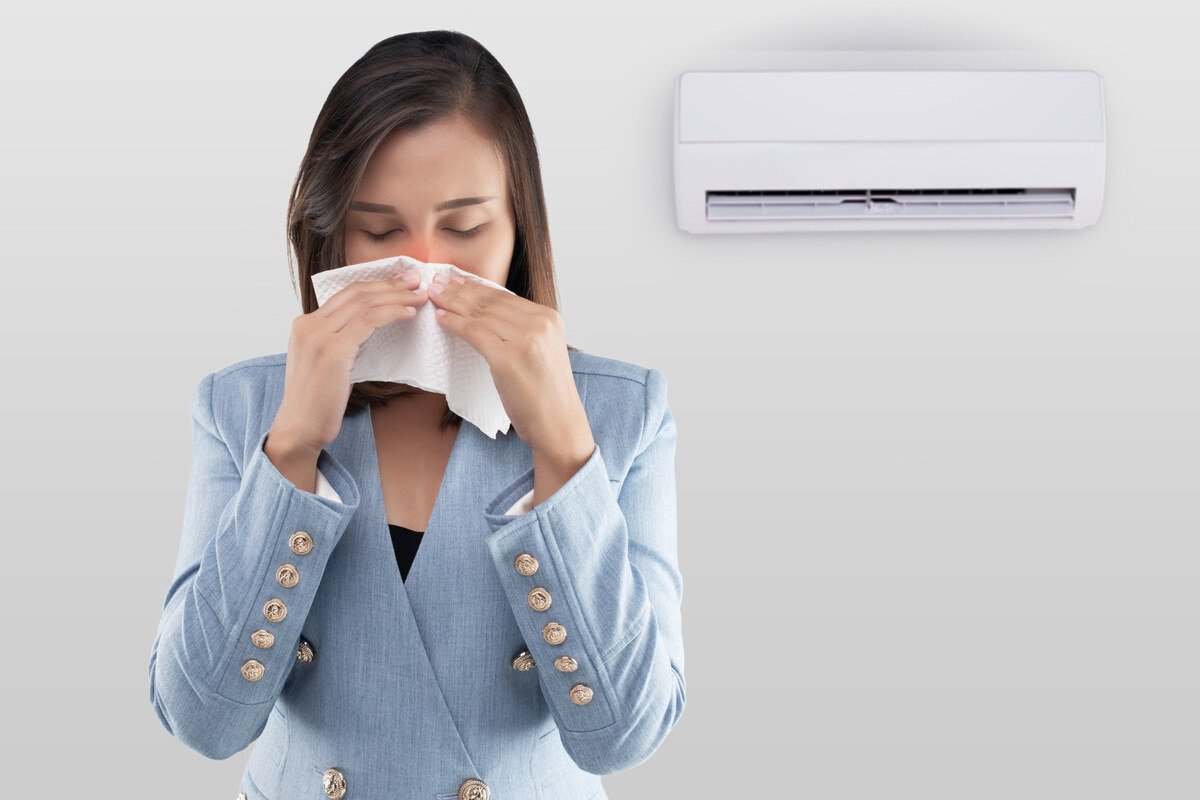
    Picture this: a beautiful spring afternoon, birds chirping, fresh flowers dancing in the air, you take three steps inside, and the sneezing starts. Sound about right? Air conditioners and allergies are more closely linked than most homeowners realize, especially here in Ottawa, where pollen season barely takes a breath. Allergies to AC are surprisingly common. Good news: your AC can absolutely solve this. Bad news: most of us run ours in ways that feed the problem rather than address it.

    Key Takeaways:

    • Pollen is present from April through October in this region, so indoor air quality is a year-round concern.
    • A working Air Conditioner traps allergens and reduces humidity, whereas a neglected one does the opposite.
    • Most air conditioner allergies stem from four sources: filters, coils, humidity, and ducts.
    • Filter swaps, humidity balancing, and a yearly tune-up solve roughly 80 percent of cases.
    • For the rest, whole-home filtration, UV, or proper humidity control does the job.

    Why Ottawa Homes Are Allergy Hotspots

    Here’s the reality: if home feels worse than outside, the air is your problem. Indoor air quality is just shorthand for what you’re breathing in your own house: dust, spores, moisture, and gases. And in Ottawa’s climate, these conditions stack against allergy sufferers starting day one.

    A pollen offence that’s always on the attack

    Trees kick off in April and run through June. Grass picks up the slack from June through July. Then ragweed muscles in from August through the first frost. The Ottawa pollen season isn’t a season; it’s a marathon. Open a window, and you’re letting the trigger straight in.

    Tight houses, trapped allergens

    We build homes here to survive minus thirty. The same construction also traps summer pollen, dust mites, and pet dander inside once the windows close. With nowhere for that air to go, levels just keep climbing.

    Indoor air has more pollutants than outdoor air

    Surprises people. Health Canada says indoor air in homes is 2 to 5 times dirtier than outdoor air. Cooking, furniture off-gassing, pet dander, dust mites, it all builds up.

    How a Neglected AC Triggers Allergy Symptoms

    air-conditioner-allergies

    This is where air conditioner allergies get tangled. The system is supposed to clean your air. Skip service for a couple of years, though, and it can quietly start doing the opposite. An air conditioner causing allergies usually shows one of four issues, and at Advanced HVAC, we see them repeatedly.

    A filter that quit working months ago

    The filter is your front line. When it’s loaded with junk, it stops trapping new items and starts releasing what it’s already caught. A basic builder-grade AC filter for allergies never had the rating to catch them in the first place.

    Mould on the coil

    Evaporator coils live in cool, damp conditions all summer. Add a slow drain pan, and you’ve built yourself a small mould farm. Every cycle pushes those spores into the rooms where you eat and sleep.

    Humidity that’s out of whack

    Humidity and allergies go hand in hand. Dust mites, mould, and mildew thrive in overly humid conditions. Dryness makes your sinuses feel worse and intensifies the effects of any pollen you encounter. 30 to 50% is your target.

    Ductwork that leaks

    Invisible, but real. Ducts in attics, basements, and crawlspaces develop gaps. The system sucks air through those gaps, collecting dust, insulation, sometimes worse, and then blows it into your bedrooms. A proper AC repair service finds and seals those.

    Warning Signs Your AC Is Behind the Sneezing

    How do you tell if it’s the unit and not just the trees outside? Allergies from AC leave a pretty consistent fingerprint once you know what to watch for. If two or three of these match your house, it’s the system.

    • Allergy symptoms hit harder the moment the AC turns on
    • A musty, damp, basement-like smell from the vents at startup
    • Dust on supply registers days after cleaning
    • Water or condensation pooling near the indoor unit
    • Rooms with vents feel worse than those without vents
    • You feel fine outside, then you walk back in, and it starts again

    One sign on its own is nothing. Two is suspicious. Three is your answer. Spotting an air conditioner causing allergies isn’t hard once you know what to look for. If breathing’s getting hard, our emergency HVAC services are available 24/7.

    Choosing the Right Filter and Understanding MERV Ratings

    allergies-from-ac

    If you do one thing for HVAC allergies, fix the filter. There’s a clear hierarchy of air conditioner filters for allergies, and most homes are running the wrong tier, whatever was on the hardware store shelf.

    What MERV actually means

    The MERV rating scale runs from 1 to 20. The bottom range (1 to 4) only catches the obvious stuff. The 8 to 10 zone pulls pollen and pet dander. The best HVAC filters for allergies sit in the 11 to 13 band; that’s what most Ottawa homes should be running. It traps mould spores, fine dust, smoke particles, and almost every allergen worth catching, without choking the blower. Above 14, you’re in HEPA territory and need a system designed for that resistance.

    Match the filter to your system

    For most houses, choosing among HVAC filters for allergies comes down to a MERV 11 or 13 pleated option. It catches what matters and lets the air move. One catch: a high MERV rating in a system not built for it can starve your blower. So matching the filter to your gear matters as much as picking a high number.

    When the filter alone isn’t enough

    Filter upgraded, but symptoms still persist? Time for an in-system air cleaner. Stepping up to whole-home air filtration captures down to bacteria and smoke. Our air quality control options live in that tier.

    Maintenance That Keeps Allergens Out Year-Round

    Strong AC maintenance for allergies isn’t complicated. Short list, done consistently. Most of it is on you. The rest is on us. It starts with the best HVAC filter for allergies you’ve installed and how often you swap it. Quality air conditioner filters for allergies are the foundation of every maintenance plan.

    What you handle:

    • Swap your AC filter for allergies every one to three months, monthly during Ottawa’s pollen season peaks, or if you have pets
    • Wipe the supply and return vents with a damp cloth every couple of weeks
    • Keep furniture, rugs, and curtains off the vents
    • Grab a cheap hygrometer, monitor your humidity, and keep it between thirty and fifty percent
    • Clear leaves and debris away from the outdoor condenser
    • Book a yearly pro tune-up before the cooling season kicks in

    What we handle: coil cleaning, drain-line flushing, refrigerant checks, electrical inspections, and ductwork. A skipped tune-up is the most common reason we see allergy flare-ups by July. Our AC maintenance program catches problems before they reach your air.

    When DIY Isn’t Enough, Upgrades for Ottawa Homes

    air-conditioner-filters-for-allergies

    Sometimes the filter’s right, the service is done, and someone in the house is still suffering. That’s when a bigger gear starts making sense. The air quality that Ottawa homes actually require is different from that in Toronto or Vancouver. Ottawa has greater humidity fluctuations, drier winters, wetter summers, and longer pollen seasons. The equipment must be compatible.

    Whole-home air filtration

    A whole-home air filtration system runs every cubic foot of air through high-grade media. It captures bacteria and smoke particles. A plug-in purifier covers one room. This covers the whole house. Most HVAC filters for allergies won’t catch bacteria on their own; that’s where these systems step in.

    UV-C purifiers

    The UV-C light at the coil prevents mould and bacterial growth. Quiet, easy to maintain, just change a bulb now and then.

    Humidifiers and dehumidifiers

    Whole-home humidifiers add moisture during the dry winter months. Dehumidifiers remove excess moisture in summer when humidity and allergies rise together. Our humidifier and dehumidifier installations are specifically sized for this climate.

    Is duct cleaning worth it?

    If you’ve just renovated, recently moved in, or can literally see debris in your vents, yes. Otherwise, regular filter maintenance and a yearly tune-up handle what duct cleaning would otherwise address. The Advanced HVAC team will tell you straight up which one your home actually needs.

    Schedule Your Service Today

    Short version: air conditioners and allergies are more closely linked than people think. Your AC either cleans your air or makes it worse, depending on filter choice, humidity, and consistent maintenance. The best HVAC filters for allergies in your size range usually fall in the MERV 11-13 range. If you’ve been searching for HVAC services near me, the team at Advanced HVAC has been tuning systems to meet the needs of Ottawa households for years. Book a free assessment, and we’ll tell you what needs fixing, what doesn’t, and what’s worth your money.

    Frequently Asked Questions:

    Why does the AC trigger my allergies?

    Usually it’s one of three things: a clogged filter, mould on the coil, or humidity out of range. Any of those turns your AC into the source of HVAC allergies, not the solution.

    How often should I change my AC filter for allergies?

    Most homes need it every 1 to 3 months. Make it monthly during peak pollen season, with pets, or if someone has asthma.

    Does running the AC help with seasonal allergies in Ottawa?

    Yes, it does. The unit keeps windows closed, reduces humidity, and filters pollen during operation. Just ensure the filter is clean and the system has been serviced this year.

    What’s the best AC filter for allergy sufferers?

    The best HVAC filter for allergies is typically a MERV 11-13 pleated filter for nearly all homes. It traps pollen, dander, mould spores, and fine dust without blocking the blower.

  • Spring cleaning inside and out: Tips for avoiding costly Air Conditioner Issues

    Spring cleaning inside and out: Tips for avoiding costly Air Conditioner Issues

    Key Takeaways:

    Crack the windows and let some air in. It’s the time of year to think about spring cleaning. And just A bit of springtime prep can save homeowners from potentially costly breakdowns once humid weather settles in. And the good thing is, most of what needs to be done can fit into a single afternoon.

    • Clear leaves, twigs, and other debris from around the outdoor condenser before turning the power back on.
    • Change the air filter, inspect the indoor vents and ductwork
    • Turn on the thermostat early, long before the first warm spell of May.
    • When you start up, pay close attention to unusual sounds, vibrations, or weak airflow.
    • Tune-ups are important; schedule an annual one with a trained professional to safeguard efficiency, warranty, and indoor air quality.
    • Just in case, take a few pictures of the cleaned area. Use it as a reference in case anything looks amiss next spring.

    We know Ottawa winters are long and cold. Your cooling unit is exposed to all the elements, buried in the snow, and forgotten for half a year. By April, that silent metal box has endured more than one freeze-thaw cycle, possibly road-salt spray, and likely a curious critter or two poking at the exterior. When you eventually turn the thermostat on that first warm Saturday, things can get out of hand very quickly, and that’s why it’s imperative you do a little bit of prep.

    Prepping your air conditioner for summer is more important here than in milder cities. Just a bit of effort now keeps you out of the July repair queue, at a time when it seems every contractor in town is booked solid for multiple days. The air conditioner checklist below is based on real Ottawa homes, not generic advice from elsewhere; it’s tailored to our city’s unique weather.

    Why does spring prep matter?

    Our region puts cooling systems through a tougher off-season than almost anywhere else in the country. The weight of snow, freeze-thaw stress, and salt spray silently wear down the outdoor cabinet for months on end. Stratum in the pollen flowers in May and June, and a forgotten filter soon becomes an allergy trigger right in your home. And if you live closer to the river or in tree-heavy neighbourhoods, debris from spring melt tends to accumulate more heavily on outdoor cabinets than in newer subdivisions.

    Add to it the wildlife, an aspect most people do not consider until they have to. Smaller critters, such as mice and squirrels, love a quiet outdoor unit in winter. They will chew wiring or nest inside the casing. Preparing for summer means spotting and addressing minor issues before they turn into a no-cool crisis in mid-July, when wait times can extend to more than a week.

    Your Homeowner’s AC Checklist

    air-conditioner-checklist

    Step 1: Inspect and Clean the Outdoor Condenser

    Never leave the disconnect box at the end of the unit first; always kill power at the disconnect box. When safe, remove leaves, twigs, dead grass, dryer lint, and other debris that may have accumulated around the cabinet. Prune shrubs and grass back by at least 2 feet to allow air to flow freely when the system kicks back in.

    Look closely at the metal fins. Hail damage or snowblower spray can bend them flat, which kills performance quickly. A fin comb fixes most of that in just a few minutes. Then gently rinse the coils with a garden hose, not a pressure washer. It will wreck them. This is the first step in getting your AC unit ready for summer, and it is the step most homeowners either skip entirely or rush through. Take your time, do it right.

    Step 2: Replace the Air Filter

    Standard one-inch filters need to be swapped every 1 to 3 months while you’re cooling. Thicker four- or five-inch media filters last 6 to 12 months. When pets, allergies, or recent renovations are part of your daily life, you may need to change your filter more frequently. Skipping this for too long can spike your hydro bill: a clogged filter can result in a 15% reduction in efficiency, which adds up fast during Ottawa’s hottest weeks. 

    Higher MERV (Minimum Efficiency Reporting Value) ratings trap more dust and pollen, which can help anyone in your household who reacts to spring air. Just don’t set the rating too high without confirming your system can handle the added airflow restriction. Pay attention to the airflow arrow on the filter frame too; installing it backward reduces efficiency without any obvious warning signs. A clean filter is the cheapest way to prepare an air conditioner for summer without picking up the phone.

    Step 3: Check Indoor Vents, Registers, and Ductwork

    Inspect each room and open all supply and return vents you encounter. Many people seal them in winter and forget about them when the weather gets warmer. Vacuum the grilles and look closely at the edges; this will help you spot signs of duct leakage.

    Check whether the access panel on your indoor evaporator coil is closed as well. A loose panel will reduce efficiency and allow dust to settle directly on the coil. Getting the air conditioner ready for summer does not stop at the outside unit; the inside unit is equally important and is the part most homeowners do not bother to check.

    Step 4: Test the Thermostat

    getting-air-conditioner-ready-for-summer

    Change the batteries when your model requires it. Set the system to cooling mode and observe the outdoor unit; it must start within five minutes. When using a smart thermostat, adjust the weekly schedule for warmer days ahead. During winter outages, smart thermostats may lose their Wi-Fi connection, so make sure yours is still connected to the app before relying on remote scheduling.

    Step 5: Inspect the Condensate Drain Line

    Locate the PVC drain line close to your indoor unit. Pour a cup of vinegar and warm water down it to clear algae buildup before it spreads. A clogged drain is the leading cause of basement water damage during humid weeks here, and most insurance claims could’ve been prevented with this single five-minute task.

    One of the best reasons to get an AC unit ready for summer is that it’s not just an outdoor job; what is happening under the floors is just as important as what is happening outside the walls.

    Step 6: Run a 15-Minute Test Cycle

    Adjust the thermostat to approximately 5 degrees below the current room temperature, then turn it on. Listen closely for sounds like grinding, rattling, or hissing. Go through the house to ensure that cool air is available at all registers without any pressure loss. Outside, the fan should spin smoothly without any wobbling. Measure how long it takes the system to cool the indoor air by a few degrees; slow cooling on a cool day is a common indicator of a problem that should be investigated early.

    Look at the refrigerant lines as well; frost indicates a low charge or restricted airflow, both of which require professional attention. Preparing the air conditioner for summer wraps up with this real-world test, not just a visual once-over of the equipment. When everything is running smoothly, you have completed your air conditioner checklist without paying anybody yet.

    Know When to Call a Professional

    getting-ac-unit-ready-for-summer

    You can easily do most things on your own; however, certain jobs require certified hands, both legally and practically. Having your air conditioner serviced before summer with an annual tune-up not only protects your efficiency and manufacturer’s warranty, but can also reduce stress and save your wallet in the future.

    • Only certified technicians are permitted to perform refrigerant work under Ontario TSSA regulations.
    • The majority of equipment warranties require documented annual maintenance to remain valid.
    • A licensed technician checks the refrigerant pressure, tests the capacitor, tightens electrical connections, and deep-cleans the coils.
    • Ice on lines, warm air in vents, tripped breakers, or burning odours require immediate attention.
    • At Advanced HVAC, we provide annual maintenance contracts in the Ottawa area.

    If anything feels off during the test run, don’t push the system; the cost of one ignored noise can lead to a bigger bill in the future. It’s imperative to know when to step back and have a professional inspection. The simplest way to prepare for your summer is with full confidence in a reliable technician.

    Conclusion

    A single Saturday or a few hours over the weekend spent prepping usually keeps the worst July headaches at bay. This list should be a ritual, not a task, performed once a year. When something does not feel right during your test run, do not push it; having your air conditioner ready for summer with professional assistance is a money-saving measure in the long run.

    Advanced HVAC serves Ottawa and the surrounding areas. Contact or call 613-833-9963 to book a tune-up before peak season hits.

    FAQs:

    How to prepare an AC unit for summer in Ottawa?

    Cut power, clear debris around the outdoor unit, replace the filter, test the thermostat, and book a yearly tune-up.

    How to prepare your AC for summer after a long Ottawa winter?

    Look for rodent damage, melt residue, and frost on the refrigerant lines during first start-up. Sniff for burning smells too; that’s usually just dust burning off.

    When should Ottawa homeowners turn on their AC for the first time?

    Wait for a dry afternoon above 16°C, usually mid to late April. An early test run beats the May service rush by a wide margin.

    How much does an annual AC tune-up cost in Ottawa?

    Pricing depends on the system type and overall condition, but it’s a small fraction of the cost of a single breakdown call. Reach out to Advanced HVAC for a current quote.

  • Repair vs Replace Air Conditioner: How to Decide?

    Repair vs Replace Air Conditioner: How to Decide?

    Key Takeaways:

    Here is a quick overview of what matters most before you make the call.

    • A repair often makes sense when the system is newer, the issue is small, and the unit has been dependable so far.
    • Replacement usually becomes the better path when breakdowns keep happening, or cooling performance keeps slipping.
    • The real decision is not only about today’s bill, but also about future comfort, energy use, and reliability.
    • Looking at the full repair vs replace air conditioner question can save you from spending money twice.
    • A professional opinion can help you avoid guessing, especially when you need air conditioner repair in Ottawa you can trust.

    Few things feel more frustrating than an air conditioner that stops working when you need it most. Perhaps the house is warm when the thermostat indicates it is not. Perhaps the unit has begun making weird sounds, cycling excessively, or charging you more energy than you thought.

    That is where the decision to repair or replace the air conditioner becomes more important than it first seems. A quick repair can absolutely be the right move in some homes.

    What Should You Ask Yourself Before Choosing AC Repair?

    air-conditioner-repair-service-in-ottawa

    Is Your Air Conditioner Still Relatively New?

    Age changes the conversation right away. If your air conditioner is still on the newer side and has not given you much trouble before, a repair may be the sensible move. When properly maintained, most systems can provide years of good service, and therefore replacing one prematurely may not be the best deal.

    A new unit with one defective component is quite different from an old system with an increasing list of problems. When the equipment has not yet reached the end of its useful life, the repair vs replace air conditioner path can often lead to the conclusion that it should be repaired before rushing to replace it.

    Is the Problem Minor and Isolated?

    Not all breakdowns imply that the entire system is finished. In some cases, it is just a capacitor, contactor, thermostat, wiring connection, or another component that can be replaced without making the job a big project. When the core equipment is still healthy, a focused repair can restore your comfort without a huge bill.

    This is where it helps to take things slowly and avoid panic decisions. When the problem is localized, and the rest of the unit is functioning as intended, the most intelligent solution is to repair or replace air conditioner components rather than replace the entire system.

    Has Your System Been Reliable So Far?

    A reliable track record is important. When your AC has been silently working for years, and this is the first actual issue, it speaks volumes. A one-time problem does not necessarily imply that the unit is on its deathbed. In most households, it is more prudent to repair the existing issue and keep the system stable.

    This is particularly so when comfort is restored soon after service. A unit that cools efficiently, runs smoothly, and hasn’t been emptying your wallet might be worth another season or two before you invest heavily.

    Is the Repair Cost Still Reasonable?

    Homeowners are typically the most concerned with cost, and rightfully so. When the repair is not too difficult and much less expensive than a new installation, it may be reasonable to continue using the existing unit. The key is to look beyond the invoice you are currently reviewing. A fair repair on a reliable system is one thing. Repeated spending on a unit that keeps disappointing you is something else entirely.

    When you compare the cost of fixing the issue with the remaining useful life of the system, the repair-or-replace air conditioner decision becomes more grounded and less emotional.

    What Should You Ask Yourself Before Choosing an AC Replacement?

    air-conditioner-replacement-in-ottawa

    Are Breakdowns Becoming More Frequent?

    At some point, service calls cease to be solutions and become a pattern. When your air conditioner is failing every season, or even more than once in the same summer, the system is no longer reliable enough to be worth repairing.

    That is often the moment homeowners begin to seriously consider replacing their air conditioner in Ottawa rather than another temporary fix. Constant breakdowns not only cost money. They also cause stress, disrupt your home, and make you wonder when the next problem will surface.

    Is Cooling Performance Getting Worse?

    A struggling AC often shows signs before it stops completely. Rooms may cool unevenly. Airflow may feel weak. Even when the system operates for extended periods, the house may take longer to reach the desired temperature. These problems usually point to more than a small, isolated issue.

    If your comfort level keeps dropping despite previous service, it may be time to replace or repair the air conditioner with a long-term mindset. A more modern system may frequently deliver the consistent, smooth cooling that older systems struggle to provide.

    Are Your Energy Bills Getting Higher?

    An older air conditioner can keep operating and quietly get more expensive every month. Systems tend to become inefficient as they grow old. They operate more, run more, and consume more power to deliver less comfort. That increases your summer bills without the relief you anticipate.

    Air conditioner replacement in Ottawa may be a cheaper option in the long run in that case. A new unit can consume less energy, cool more efficiently, and offset the increased initial investment by performing better.

    Are Major Components Starting to Fail?

    Some repairs are simple. Others are not. The numbers may fluctuate rapidly when significant components, such as the compressor or evaporator coil, start to malfunction. These are the repairs that usually cause homeowners to stop, and with reason. It may be difficult to justify putting serious money into a system that is already aging.

    When the big parts are getting old, and the unit has already had its fair share of problems, the decision to repair or replace air conditioner equipment tends to shift the balance far more towards replacement.

    What Key Factors Can Affect the Decision?

     When your air conditioner starts struggling during summer, the pressure to make the right decision feels real. During a major August 2025 heat event, roughly 51 daily heat records were broken across Canada in a single day, which shows how important dependable cooling can be when temperatures surge. Here are the main things that can shape the final call:

    • The age of the current unit
    • How often has the system needed repairs
    • Whether the issue is minor or involves a major component
    • Current cooling performance throughout the home
    • Changes in monthly energy costs
    • The short-term repair bill compared with the long-term replacement value
    • Warranty coverage on a new installation
    • Your need for dependable comfort during Ottawa’s warmer months
    • The quality of the assessment you receive from a technician

    When homeowners honestly consider these points, the repair vs. replace air conditioner question becomes easier to answer without second-guessing every option.

    When a Professional Inspection Can Save You Money

    repair-or-replace-air-conditioner

    Guessing is expensive. It is easy to assume a unit only needs one more repair, only to discover that the deeper problem was never properly addressed.

    • A technician can check the overall condition of the system.
    • Hidden issues can be found before they turn into bigger expenses.
    • You can learn how useful the unit may still be.
    • Performance problems can be traced back to their real cause.
    • You get a clearer comparison between repair cost and replacement value.
    • It helps you avoid putting money into a system that is already near the end of its lifespan.

    This is especially helpful when comparing air conditioner repair service in Ottawa with full air conditioner replacement in Ottawa. High-tech HVAC can accurately determine the state of your system; the suggestion is the same as the unit before you, not a sales pitch.

    Conclusion

    The decision to replace or repair an air conditioner depends on age, repair history, efficiency, and performance. A minor repair can be justified on a newer unit, but an older system with recurring problems can often be better served by replacement in the long term.

    If you need a candid opinion on air conditioner repair or replacement in Ottawa, contact us for a professional inspection and clear-cut advice tailored to your home.

    FAQs

    Should I Repair or Replace My Air Conditioner?

    If the unit is newer, the repair is less serious, and the system has been dependable, repair may be the more appropriate choice. If it is older and the issues continue to recur, replacement may be more cost-effective in the long run.

    When to Replace an Air Conditioner?

    Replacement is often the wiser choice when breakdowns are common, cooling performance continues to decline, major components are failing, and repair costs are increasing.

    Is It Worth Repairing an Old Air Conditioner?

    Occasionally, though not always. If the repair is minor, it may be worthwhile. When the system is old, inefficient, and requires constant maintenance, it might not be the most appropriate decision to spend more money on it.

    What Factors Help You Decide Between AC Repair and Replacement?

    The biggest ones are age, repair history, current efficiency, the cost of the problem, and the reliability of the system in cooling your home.

  • Reasons to Avoid DIY A/C Installation & Repairs

    Reasons to Avoid DIY A/C Installation & Repairs

    Air Conditioning systems, like any major appliance, will eventually need to be repaired and undergo maintenance. Due to high usage, air conditioning repairs, in general, are fairly common.

    Many people try to complete these repairs themselves. This is where issues arise, which is why we do not recommend attempting your own A/C repairs.

    Why You Shouldn’t Perform DIY A/C Installation & Repairs

    Without the proper knowledge of A/C Repair, it can be difficult, costly, and potentially dangerous. We have seen the less than ideal results of DIY A/C repairs time again, this is why we have assembled this guide to the top four reasons you should leave A/C repairs and maintenance up to the professionals.

    Warranty Void

    If you opt to repair your own A/C unit, you will be voiding the warranty on the system. This means if you ever have any more serious repairs required in the future, you will not be able to have them performed under warranty and it can lead to unforeseen steep expenses.

    Hiring a licensed expert to handle your A/C services will ensure your warranty is upheld, and you can rest easy knowing that your system is protected in the case of unforeseen complications in the future.

    Potential Contact With Refrigerants

    air conditioning refrigerant leaking

    Refrigerants can be extremely harmful to human beings if they are not handled properly. If you do not have the proper training and knowledge on how to handle these harmful liquids or gas, you risk poisoning. Refrigerants are also highly susceptible to catching fire if not handled properly.

    It is always wise to hire a professional who knows how to handle this volatile substance in a safe and efficient manner.

    Cost Of Tools and Parts

    One of the hidden costs associated with repairing or performing maintenance on your A/C unit yourself is the cost of the required tools, and the replacement parts required. A/C units require specific tools to properly perform any service on these systems. It can be dangerous to try and cut corners by using the wrong tools to save some money. We recommend hiring a professional to handle your A/C service. This will save you a significant amount of money in the long term. Investing in tools isn’t wise since they will only be used occasionally.

    Working With High Voltages

    It can be dangerous to attempt to repair or maintain your A/C unit without the proper training. Major systems such as A/C’s have high voltages running through them, and if they are not handled properly you risk being electrocuted.

    Advanced HVAC – A/C Repair & Maintenance Fine-Tuned

    Advanced HVAC has helped thousands of people with their A/C repairs. We use the highest quality tools to complete our repairs.

    When you require help with your next A/C installation or repairs, don’t hesitate to contact us at Advanced HVAC. You won’t regret trusting the professionals for your A/C repairs.

    David Laplante

    A/C

  • Fixing Common Air Conditioning Problems

    Fixing Common Air Conditioning Problems

    The summer season has arrived, which means it’s time to turn on the A/C and let it work its magic. 

    The last thing anyone wants is to come home to a stuffy, humid environment after being out in the sun all day. Since the unit has been lying dormant for the past several months, it’s common for homeowners to face some issues when they turn their A/C on for the first time. 

    Like any electrical appliance, air conditioners need regular maintenance to make sure everything is working properly. Whether your A/C is overworked or underserviced, HVAC issues need to be addressed quickly to prevent extreme temperature changes in the home and minimize the risk of flooding. 

    Learning about the most common air conditioning problems will help you spot the warning signs and get the issue fixed before it’s too late.

    Air Conditioner Problems You Should Know About

    Dirty Air Filter

    A pretty obvious sign that there’s something wrong with your air conditioning is if it won’t turn on. 

    The lack of power could be as simple as the thermostat being turned off but could also be a result of broken or loose wiring. Be sure to check that the thermostat and circuit breaker are switched on before making a call to your HVAC professional. 

    It’s frustrating to have your A/C turned one but not receive any cool air. While a dirty air filter is usually the culprit, there could be another underlying problem waiting to be discovered. 

    If you’ve noticed your home not being cooled properly or the presence of water stains near your A/C unit, it’s usually a sign of a low refrigerant level. This typically occurs due to it being undercharged at installation or has been leaking for some time. 

    Without the right refrigerant level, heat and humidity cannot efficiently be removed from the air, resulting in a sticky, uncomfortable indoor environment.  

    Reasons Why a DIY A/C Repair Is Never a Good Idea

    It’s understandable to want to save some money by attempting to fix your A/C yourself, but watching a couple of video tutorials won’t make you an expert.

    Air conditioning repairs require special tools, diagnostic equipment, and refrigerants, something that most homeowners don’t have handy. Professional A/C technicians have the equipment and training necessary to handle all sorts of HVAC issues and can get any specialty parts they need to fix your system from their warehouse. 

    Many air conditioners are different in terms of system components, so the videos you may have watched may not apply to your specific unit. What seems like easy repair can quickly turn into a costly job. Hiring a knowledgeable HVAC technician is much easier than studying to fix your A/C and potentially cause more damage. 

    Ottawa’s Trusted Air Conditioning Repair Service

    Professional HVAC specialist

    Recent years have seen major heat waves that can be harmful to your health if you don’t stay cool. 

    Whether your air conditioner won’t turn on or is not producing cool air, our experts have you covered. Advanced HVAC will inspect and repair your system to ensure everything is running smoothly so you can go back to enjoying our cherished summer months. 

    Do not hesitate to get in touch with us at the first sign of trouble with your air conditioning unit.

    David Laplante

    Tips

  • What is the Best Temperature for Sleeping?

    What is the Best Temperature for Sleeping?

    There are many factors that contribute to both good and bad sleeping routines. This can vary from the humidity in the room to the temperature.

    Here at advanced HVAC, we have seen this pattern many times, and have helped thousands of people achieve their most comfortable sleep habits possible through our HVAC installation services.

    But what is the ideal temperature for optimal sleep, and how does an HVAC system improve sleep? We are so glad you asked!

    A woman sleeping peacefully with her dog

    The Best Temperature for Sleeping

    A poll conducted by the National Sleep Foundation shows that cooler temperatures in the bedroom contribute to more restful sleep. Four out of five people who completed this poll indicated that this was important to them.

    When we investigated this further, we came to the conclusion that a bedroom temperature of 18 degrees Celsius is the perfect temperature for optimal sleeping conditions.

    Installing an HVAC system in your home is the perfect way to ensure this temperature is maintained throughout the night to ensure your sleep goes undisturbed.

    How do HVAC Systems Help Improve Sleep?

    We have assembled this resource that will explain the benefits an HVAC system can provide you with, and how it can greatly improve your sleep.

    Reduces Humidity

    Humid air is harder to breathe than tempered air. This means your body works harder to breathe humid air, which can cause you to have a more restless sleep since it is more difficult for your body to relax. This is particularly evident in the summertime due to the rise in humidity.

    It is recommended you adjust the humidity settings on your HVAC to counteract the humidity in your home. This will help create optimal sleeping conditions resulting in a better night’s rest

    Improves Air Flow

    Installing an HVAC system in your home will enhance the air quality in your room! The HVAC system is constantly recycling stale air in your house and replacing it with fresh air from outside. This helps combat unwanted dust from collecting in your room, and makes it so the air you are breathing is much cleaner!

    This is a major benefit to HVAC systems, especially if you or your loved one suffer from asthma. Reducing the contaminants in the air is crucial when seeking the best sleep of your life.

    Helps Prevent Health Conditions

    Studies have shown that insufficient sleep is a contributor to chronic diseases such as type 2 diabetes, heart disease, and obesity. It is absolutely paramount that you ensure you are getting enough sleep each night for your overall health, a factor many people do not take into consideration.

    For adults, it is recommended you get 7+ hours of sleep each night in order to maintain your overall health. Installing an HVAC system can be a major contributor to achieving this. We highly recommend looking into HVAC installation if you experience any difficulty sleeping.

    Advanced HVAC – Ottawa’s Trusted HVAC Experts

    An HVAC technician setting the hvac system to the optimal setting

    Our team of uniformed professionals here at Advanced HVAC is prepared to install a top-of-the-line HVAC system in your home, so you can have the healthiest, most comfortable sleep possible. We are passionate about providing you with unparalleled HVAC services to improve your quality of life and provide you with the best temperature for sleeping.

    Trust us here at Advanced HVAC to respond to your request quickly and install your new HVAC system for a fair and competitive price. We even offer financing options! Contact us today to get started.

    David Laplante

    Tips

  • What’s the Ideal Home Temperature?

    What’s the Ideal Home Temperature?

    Do you ever feel as though your home’s temperature isn’t quite right? Some days you wake up half-frozen whereas other nights you’re drenched in sweat. So what is the ideal home temperature?

    Heating and cooling expenses are responsible for nearly half of your utility bills, so making educated choices can greatly reduce your monthly payments. With Ottawa’s harsh winter, it’s vital to have the heat turned on 24/7 for fear of bursting the water pipes.

    It may be tempting to turn off the heat during the winter for a couple of hours to save on your utility bill, but doing so will be more inefficient than helpful. Deciding which temperature is perfect for your entire household may be difficult, but luckily there are a few key rules you can follow to make everyone happy.

    Finding the ideal temperature for your home will not only save you money on energy bills but will make you and your family more comfortable during your time indoors.

    Ideal Home Temperature for the Winter

    older couple wearing thick sweaters in their livingroom

    Fighting about the temperature with your household members is quite common as everyone has a different idea of what the house temperature should be.

    The recommended thermostat setting is generally 21 degrees Celsius, creating the perfect balance between comfort and energy efficiency. Constantly changing the temperature throughout the day will raise your utility bills, which is why it’s essential to have it set to the appropriate temperature and keep your hands off of the dial.

    A home temperature of 21 degrees Celcius is the lowest comfortable temperature, according to the department of energy. This setting will help decrease heat loss, which is a result of having your thermostat at an unreasonably high setting.

    Ideal Home Temperature for the Summer

    a woman enjoying her ideal home temperature settings

    No one wants to sweat while relaxing in their homes during the summer months, which is why finding the perfect thermostat setting to make both your family members and your pockets happy is vital.

    It’s recommended to keep your home at a temperature of 23 degrees Celsius in the warm season as it keeps everyone cool while also saving on energy bills. Unlike the winter, turning off your thermostat in the summer while you’re away from home will not cause any problems or damage.

    Turning up the thermostat to 25-26 degrees Celsius at night can also help keep utility bills from getting too high. Our body temperature naturally drops when we sleep, allowing us to withstand higher temperatures without discomfort.

    Stay Comfortable All Year Long with Advanced HVAC

    While it may be helpful, you don’t necessarily need a smart thermostat to save on your energy bills while keeping your house at a pleasant temperature.

    Getting annual servicing for your furnace can greatly reduce heating and cooling costs as regular cleaning and checkup will make sure everything is running smoothly and not working harder than it needs to be.

    Our team of experts at Advanced HVAC had the training and experience necessary to provide you with top-quality furnace and HVAC services year-round. You can count on us to get the job done in a timely and efficient manner.

    Reach out to us to learn more about how to become energy efficient and get a free, no-obligation quote today.

    David Laplante

    Advance HVACHVACTips